2026 How to Choose the Best Rubber Molded Products?
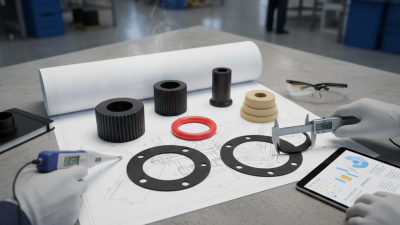
Choosing the best rubber molded products can be challenging. With numerous options on the market, making an informed decision is crucial. Rubber molded products are known for their durability and versatility. They find applications in various industries, from automotive to consumer goods.
Understanding your specific needs is essential. Different products may offer unique features. Material quality, design, and manufacturing processes play critical roles in product performance. Consulting with experts in the field can provide valuable insights. Look for trusted suppliers who prioritize quality and reliability.
Evaluating reviews and customer feedback can highlight potential issues. Some products might not meet durability expectations. This highlights the importance of thorough research. Mistakes can be costly. Choose wisely to ensure you invest in rubber molded products that align with your requirements.
Understanding the Different Types of Rubber Molded Products in 2026
In 2026, understanding various rubber molded products is crucial for manufacturers and buyers. Rubber molded products are essential in various industries, including automotive, aerospace, and consumer goods. Reports indicate that the global rubber molded market is projected to reach $28.86 billion by 2028, driven by increasing demand in these sectors.
There are several types of rubber molded products. Compression molded items are common, offering flexibility and ease of production. Injection molded rubber products provide precision and efficiency, making them popular for complex designs. Transfer molding is another method, ideal for high-quantity production. However, each type has its pros and cons. For instance, compression molding can be slower, while injection molding requires precise temperature control, which can lead to errors if not managed carefully. Failure to consider these factors can result in subpar products that don't meet industry standards.
It's essential to evaluate the specific needs before selecting a product type. Understanding the mechanical properties, such as tensile strength and elasticity, is vital for making informed decisions. Consulting industry reports can provide additional insights, but even the best data cannot guarantee perfect outcomes. Mistakes happen, and learning from them is part of the process. In a rapidly evolving market, staying informed and adaptable is key.
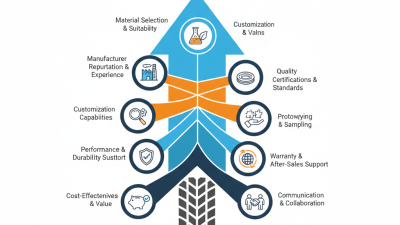
Key Factors to Consider When Choosing Rubber Molded Products
When selecting rubber molded products, several key factors need attention. Material quality is paramount. A reliable product often uses high-grade rubber with excellent durability and flexibility. According to market reports, over 65% of industries prefer synthetic rubber for its resilience.
Design and engineering play vital roles in product performance. Well-designed molds enhance production efficiency and reduce waste. Cost considerations should not overshadow quality. Studies indicate that investing in superior molds can lower long-term operational costs.
Compliance with industry standards is essential. Quality certifications, like ISO 9001, indicate trustworthy manufacturing processes. Seek suppliers with a proven track record. Data shows that 70% of defects arise from poor supplier choices. It's crucial to reflect on past experiences and adapt accordingly to avoid repeating mistakes.
2026 How to Choose the Best Rubber Molded Products? - Key Factors to Consider When Choosing Rubber Molded Products
| Key Factor |
Description |
Importance Level (1-5) |
Example Applications |
| Material Compatibility |
The rubber material must be compatible with the substances it will encounter. |
5 |
Automotive seals, industrial gaskets |
| Durability |
Resistance to wear, tear, and environmental factors is essential for longevity. |
5 |
Outdoor equipment, machinery parts |
| Customizability |
Ability to create custom designs and specifications for unique applications. |
4 |
Prototyping, specialized equipment |
| Cost |
Evaluating the cost effectiveness while maintaining quality standards. |
4 |
Bulk manufacturing, DIY projects |
| Production Efficiency |
Consideration of lead times and production methods for timely delivery. |
3 |
Mass production, rapid prototyping |
| Regulatory Compliance |
Ensure products meet industry regulations and standards for safety. |
5 |
Medical devices, food processing equipment |
Evaluating Quality Standards and Certifications in Rubber Manufacturing
When selecting rubber molded products, quality standards play a crucial role. Certifications indicate a manufacturer’s commitment to maintaining high production standards. Look for certifications like ISO 9001 and ASTM. These standards ensure consistent quality and performance in rubber items. Understanding these certifications helps buyers make informed decisions.
Quality assurance in rubber manufacturing requires regular testing. Products must meet specific criteria for durability and safety. For instance, physical and chemical properties should match industry requirements. Manufacturers often provide detailed reports on their testing processes. This transparency builds trust and ensures reliability.
Not every rubber product meets these high standards. Some manufacturers may cut corners, leading to subpar items. Buyers should remain vigilant and ask questions. Engaging with suppliers about their quality control measures is essential. Reflecting on the production process can highlight areas for improvement. This proactive approach can lead to better product choices.
Analyzing Cost-Effectiveness and Longevity of Rubber Molded Solutions
When considering rubber molded products, it's crucial to examine both cost-effectiveness and longevity. The production of these items often involves significant financial investment. However, the initial costs may not reflect their long-term value. High-quality rubber molded solutions can withstand wear and tear, resulting in savings on replacements.
Longevity is key in deciding on rubber molded options. Products that last longer reduce the frequency of purchases. This makes them more cost-effective over time. Furthermore, durable materials often provide better performance. They resist environmental factors like heat and moisture. This resistance extends their useful life significantly.
It's essential to weigh these factors carefully. While high upfront costs may deter some, consider the long-term benefits. Sometimes, choosing cheaper alternatives can lead to more frequent replacements. Balancing the initial investment with future savings is critical. Conduct thorough research to assess different products. This approach increases the likelihood of making a wise choice.
Exploring Innovative Technologies in Rubber Molded Product Design
Innovative technologies in rubber molded product design are changing the landscape of the industry. Recent reports indicate that the global rubber market is expected to reach $38 billion by 2026. This growth is driven by advancements in production techniques and materials.
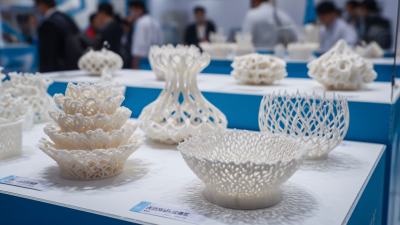
3D printing is now commonly used to create complex shapes and reduce waste. This technology allows for rapid prototyping, which saves time and resources.
In addition, the implementation of smart materials is becoming prevalent in rubber molding. These materials can adapt to environmental changes, enhancing product longevity. Data from industry studies shows that products incorporating smart technologies can increase efficiency by nearly 30%. However, shortcomings exist. Not all manufacturers adopt these new practices, leading to inconsistencies in product quality. Investing in training and development is critical for companies to stay competitive.
Despite tremendous advancements, challenges remain. The integration of new technologies can be expensive. Many manufacturers struggle to balance costs with innovation. Additionally, materials sourcing continues to pose issues, particularly with sustainability in mind. Companies must reflect on their supply chains to reduce their environmental impact while keeping production costs manageable. Embracing innovation is essential, but it requires careful planning and strategic investment.