10 Essential Tips for Choosing Rubber Molded Products Wisely?
In today's industry, choosing rubber molded products requires careful consideration. Experts highlight the importance of informed decisions. John Smith, a renowned specialist in rubber manufacturing, states, "Selecting high-quality rubber molded products can make or break a project." His insight reflects a reality many face in engineering and manufacturing.
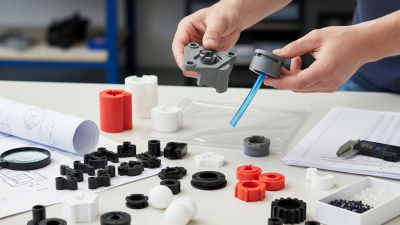
When considering rubber molded products, it's essential to evaluate several factors. The material's durability, temperature resistance, and design specifications are crucial. Not every product on the market meets the required standards. Buyers often overlook these aspects, leading to costly mistakes.
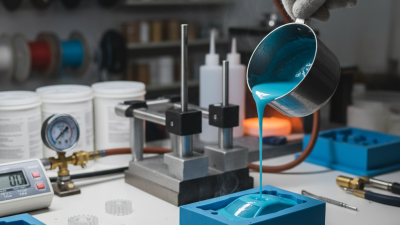
Understanding the manufacturing process is equally vital. Rubber molded products can vary significantly in quality and performance. Researching companies and reading reviews can enhance decision-making. Always ask questions about the product's origin and material properties before committing. A knowledgeable choice today can prevent regrets in the future.
Factors Influencing the Durability and Performance of Rubber Molded Products
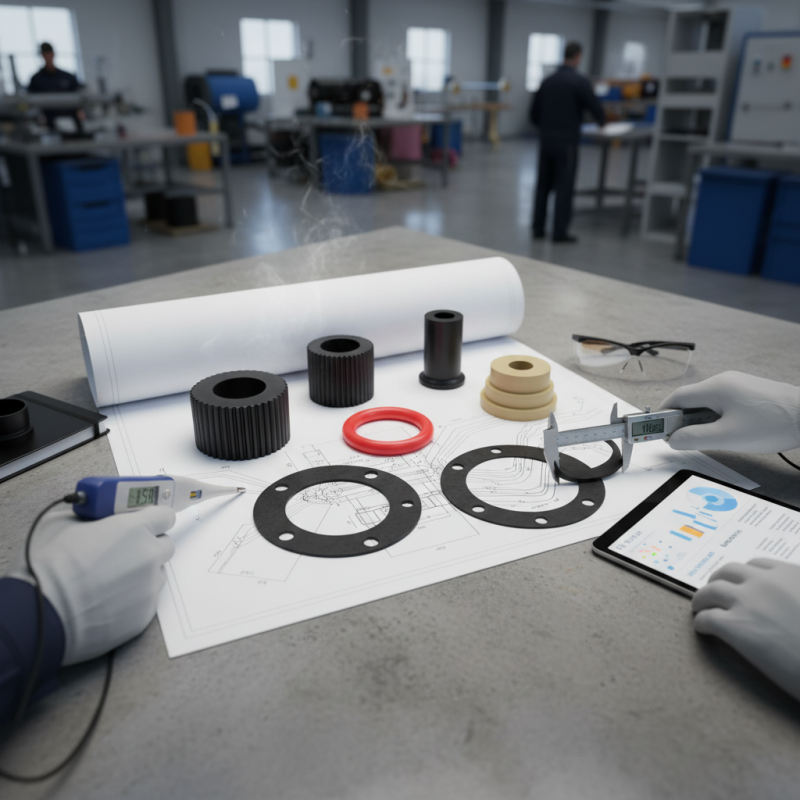
When selecting rubber molded products, understanding the factors that influence durability and performance is crucial. The materials used in production greatly affect the lifespan of these products. For instance, higher-grade rubber compounds resist wear and weathering better than lower grades. According to industry reports, products made with premium rubber can last up to 30% longer than their cheaper counterparts.
Temperature fluctuations can also impact performance. Rubber may become brittle or lose elasticity when exposed to extreme temperatures. Testing shows that elastomers can degrade by as much as 50% in harsh environments. This degradation leads to decreased performance, which is a costly mistake for any manufacturer.
Another significant factor is the curing process. Proper curing enhances the rubber's strength and resistance properties. Yet, many manufacturers overlook this step to cut production costs. Reports highlight that a well-cured product performs consistently better and can endure heavier loads. Failing to ensure effective curing can result in compromised quality, leading to early product failure. Understanding these details ensures more informed, effective choices in rubber molded product procurement.
Understanding the Different Types of Rubber Materials Used in Molding
When selecting rubber molded products, understanding the types of rubber materials is crucial. There are several commonly used materials, including natural rubber, synthetic rubber, and silicone rubber. Each type possesses unique characteristics and performance attributes. For instance, natural rubber offers excellent elasticity and tensile strength, making it ideal for high-stress applications. According to industry reports, natural rubber is often preferred for products exposed to dynamic loads.
Synthetic rubbers, such as neoprene and nitrile, are engineered for specific applications. Neoprene provides strong weather resistance and impact performance, making it suitable for outdoor products. Nitrile rubber, on the other hand, excels in oil resistance. A report by the Rubber Manufacturers Association highlights that synthetic rubber usage has increased by 30% in recent years, driven by automotive and industrial demands.
Silicone rubber is another popular choice, especially for high-temperature applications. It can endure extreme conditions while maintaining flexibility. However, silicone's cost can be prohibitive for certain projects, leading to budgetary constraints. Thus, selecting the right rubber material requires careful consideration of both performance needs and financial budget. Each material has its pros and cons, and weighing them is essential for wise decision-making.
Evaluating the Quality Standards and Certifications for Rubber Products
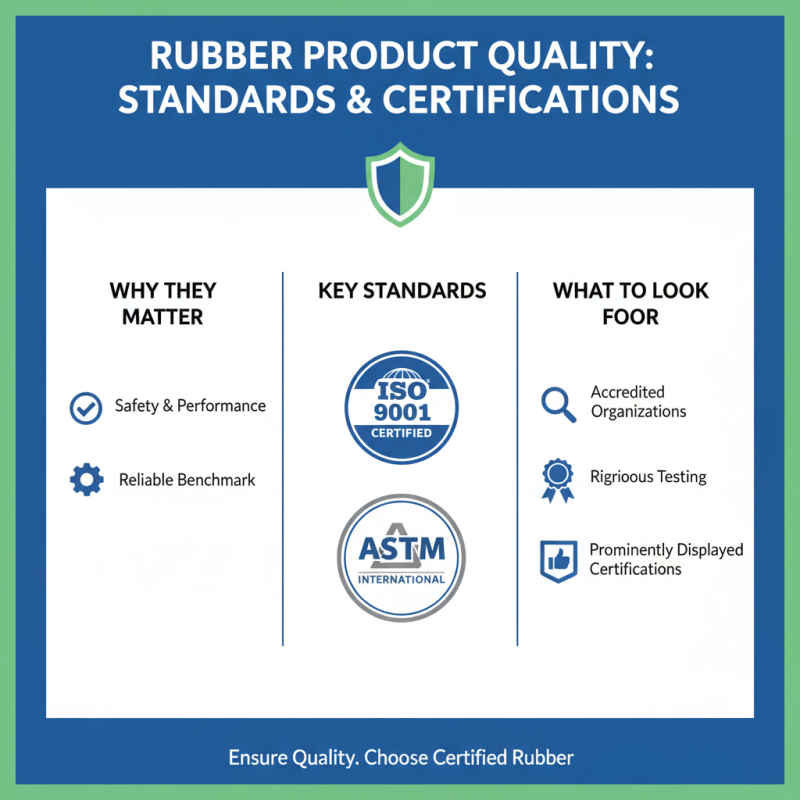
When evaluating rubber molded products, quality standards and certifications are crucial. Certifications from recognized organizations ensure that the products meet specific safety and performance criteria. Look for standards like ISO or ASTM, which indicate compliance with rigorous testing protocols. These certifications act as a reliable benchmark for the quality of the materials used. Companies committed to quality will often display their certifications prominently.
Beyond certifications, it is essential to consider the manufacturing process. The quality of rubber can vary significantly based on how it is processed. Check if the manufacturer follows best practices in their production line. While some products may look appealing, they might not withstand pressure or temperature variations. A seemingly minor flaw could lead to premature failure.
Investigating the source of the rubber is also vital. Natural rubber may offer different benefits compared to synthetic options. However, each type comes with its own set of challenges. Evaluate the end-use of the product to determine what material is most suitable. Reflecting on these factors will guide you toward smarter choices. Quality is not just about certifications; it is an ongoing commitment to improvement.
Assessing the Cost-Effectiveness of Custom vs. Standard Rubber Molded Solutions
When selecting rubber molded products, cost-effectiveness significantly impacts your choice. Understanding the price difference between custom and standard solutions is essential. Standard products are typically cheaper and readily available. They can work for many applications, but may not meet specific requirements. This can lead to inefficiencies and frequent replacements.
Custom rubber molded solutions, on the other hand, can be more costly up front. However, they provide tailored fit and functionality. Investing in custom molds reduces the risk of failure and extends product lifespan. Consider how often you'll need replacements of standard products. If frequent purchases are likely, the custom option may save money in the long run.
Balancing cost and performance can be tricky. Each project has unique needs. Sometimes, standard molds might suffice, yet missing custom features can lead to unforeseen issues. Prioritize durability and performance over initial costs. It’s important to reflect on how each option aligns with your long-term goals. Analyze both short-term and long-term implications to make an informed decision.
The Importance of Manufacturer Reputation and Customer Reviews in Selection
Selecting rubber molded products is no easy task. The reputation of the manufacturer plays a crucial role in making an informed decision. A well-established manufacturer often reflects years of industry expertise. Look for companies that have consistently provided quality products. Checking their history can reveal a lot about their reliability.
Customer reviews are invaluable in this selection process. They provide real-world insights into the performance and durability of products. Reading both positive and negative feedback will help paint a clearer picture. People often share specific details about their experiences. These insights can guide you towards a better choice.
Consider asking questions. Engage with manufacturers directly if possible. This shows interest and can lead to more informative answers. Understanding their production processes can also be beneficial. Evaluate if they follow industry standards. Remember, a product is only as good as the process behind it.
10 Essential Tips for Choosing Rubber Molded Products Wisely
| Tip Number |
Tip Description |
Importance Level |
Manufacturer Reputation |
Customer Review Score |
| 1 |
Evaluate Material Quality |
High |
High |
4.8 |
| 2 |
Check for Certifications |
Medium |
Medium |
4.5 |
| 3 |
Read Customer Reviews |
High |
High |
4.7 |
| 4 |
Assess Customization Options |
Medium |
Medium |
4.4 |
| 5 |
Compare Prices |
High |
Low |
4.0 |
| 6 |
Inquire About Lead Times |
Medium |
High |
4.2 |
| 7 |
Verify Warranty and Support |
High |
High |
4.9 |
| 8 |
Look for Technical Expertise |
Medium |
Medium |
4.3 |
| 9 |
Understand Manufacturing Processes |
Medium |
Low |
4.1 |
| 10 |
Request Samples for Testing |
High |
High |
4.6 |