Top 10 Benefits of Silicone Rubber for Mold Making Tips?
In the realm of mold making, silicone rubber has emerged as a highly favored material. Industry expert John Smith states, “Silicone rubber for mold making offers unique advantages that traditional materials simply can’t match.” This statement highlights the growing importance of silicone in various applications.
Silicone rubber for mold making provides flexibility, durability, and precision. It captures fine details with ease, making it ideal for intricate designs. However, there are challenges as well. Not every project may benefit from silicone; some may require alternative materials. Understanding when to use silicone is crucial.
Many makers appreciate silicone’s resistance to heat and chemicals. Yet, costs can be a concern for smaller businesses. The key is to weigh the benefits against potential drawbacks. This thoughtful approach leads to more informed decisions in the mold-making process. Ultimately, silicone rubber for mold making is a game-changer, but careful consideration is important.
Benefits of Silicone Rubber in Mold Making: An Overview of Properties
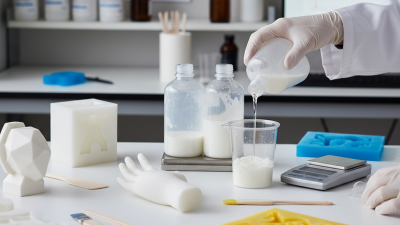
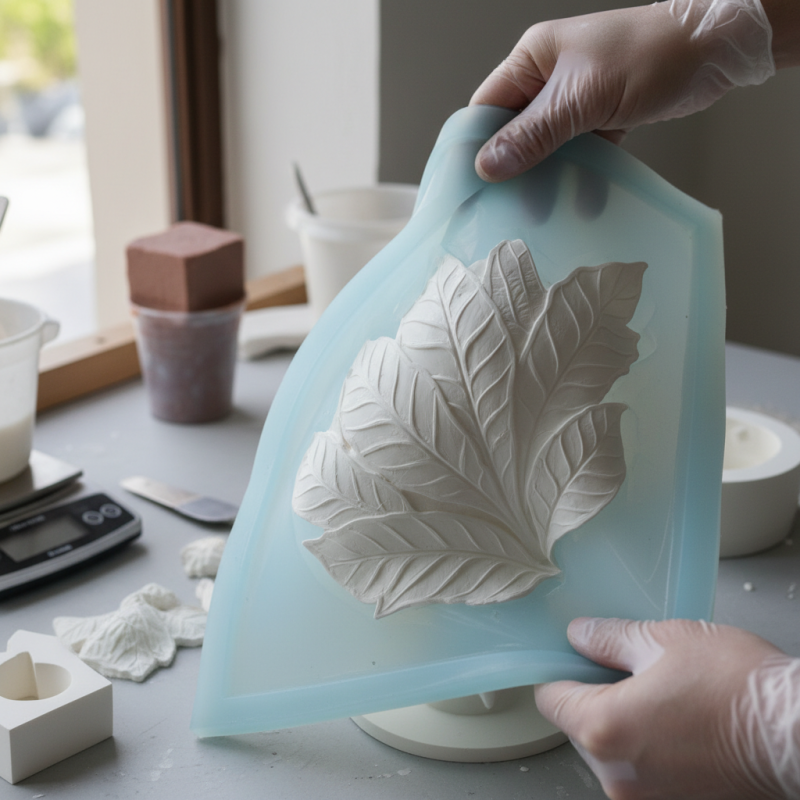
Silicone rubber is a popular choice for mold making due to its remarkable properties. It offers flexibility, durability, and excellent heat resistance, making it ideal for various applications. The material can capture fine details from original models, ensuring precision in the final product. Its resistance to extreme temperatures also allows for broader usage without compromising the mold's integrity.
When working with silicone rubber, consider these tips for better results. First, ensure that your original model is clean and free from any debris. This will help in capturing accurate details. Additionally, use mold release agents to protect your models and avoid sticking issues. Lastly, allow sufficient curing time to enhance the final mold's performance.
Silicone rubber molds are also resistant to tearing and aging. This longevity saves time and resources, allowing repeated use without significant degradation. However, using silicone can be a meticulous process. Improper mixing or measuring can lead to underperformance. Always follow the guidelines closely to ensure the best outcomes in your mold-making projects.
Durability and Longevity: How Silicone Rubber Outperforms Other Materials
Silicone rubber stands out in mold making due to its exceptional durability and longevity. Unlike other materials, silicone has an impressive ability to withstand extreme temperatures and harsh chemicals. This quality makes it an ideal choice for various applications, from creating intricate molds to producing detailed prototypes. The flexibility of silicone allows for easy demolding and reduces the risk of damage to delicate designs.
Another aspect of silicone rubber is its resilience against wear and tear. It does not degrade as quickly as alternatives, ensuring that molds can last for many production cycles. This long lifespan can lead to significant cost savings over time. However, it's worth noting that not all silicone rubbers are created equal. Some formulations may not perform as well, particularly under specific environmental conditions. This highlights the importance of selecting the right type for each unique project.
Additionally, working with silicone can sometimes present challenges. Improper mixing or curing might lead to defects in the final mold. Therefore, attention to detail is essential throughout the process. While silicone offers invaluable benefits, there remains a need for careful consideration and expertise to maximize its potential in mold making.
Flexibility in Design: Achieving Complex Shapes with Silicone Mold Making
Silicone rubber has reshaped the mold-making industry, providing unmatched flexibility in design. This material can replicate intricate details and achieve complex shapes that traditional materials struggle with. According to a report by the American Institute of Physics, silicone molds can capture details as fine as 0.1 mm. This precision benefits industries from art to engineering, where accuracy is crucial.
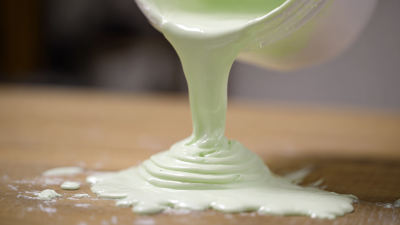
The flexibility of silicone rubber allows designers to create molds that curve and bend, adapting to unique product shapes. It can be poured into various forms, quickly solidifying to create durable molds. This versatility leads to a reduction in production time. However, high-quality molds require skilled artisans to ensure proper curing and application. Improper techniques can lead to defects in the final product.
Moreover, while silicone can adapt well to diverse designs, it is essential to evaluate its limits. Some molds may not withstand extreme temperatures or pressures. Careful assessment before usage is crucial, as incorrect choices can lead to costly mistakes. Keeping these considerations in mind will help maximize the benefits of silicone rubber in mold making, enhancing both creativity and efficiency.
Top 10 Benefits of Silicone Rubber for Mold Making
Heat and Chemical Resistance: Protecting Your Molds in Extreme Conditions
When it comes to mold making, silicone rubber stands out for its superior heat and chemical resistance. This durability enables molds to withstand extreme conditions. High temperatures and harsh chemicals can easily damage other materials. Silicone rubber provides remarkable protection in these scenarios, ensuring the integrity of your molds remains intact.
Using silicone rubber can elevate your mold-making projects. Here are a few tips: Always check the temperature tolerance of your silicone before use. Select your silicone carefully for specific applications. It's also essential to clean your molds after each use to maintain their longevity.
Additionally, consider layering your silicone rubber for added strength. This can improve the heat resistance of your molds. Experimenting with different thicknesses can also yield better results. Mold-making can be complex, and refining your approach may take time and adjustment. Being aware of your material choices is key.
Top 10 Benefits of Silicone Rubber for Mold Making Tips
| Benefit |
Description |
Applications |
| Heat Resistance |
Can withstand high temperatures without degrading. |
Used in automotive and aerospace applications. |
| Chemical Resistance |
Resistant to a variety of chemicals, oils, and solvents. |
Ideal for laboratory and industrial environments. |
| Flexibility |
Offers excellent flexibility and elasticity. |
Useful in wearable devices and soft robotics. |
| Durability |
Highly durable and long-lasting material. |
Common in construction and heavy machinery. |
| Non-Toxic |
Safe for food contact and medical applications. |
Used in kitchenware and medical devices. |
| Weather Resistance |
Resists aging due to UV exposure and weathering. |
Suitable for outdoor applications and elements. |
| Ease of Molding |
Excellent flow properties for intricate designs. |
Used for detailed parts and prototypes. |
| Electrical Insulation |
Provides excellent electrical insulation properties. |
Ideal for electrical and electronic applications. |
| Coloring Options |
Available in various colors for customization. |
Used in decorative items and branding. |
Cost-Effectiveness of Silicone Rubber: ROI in Production and Material Sourcing
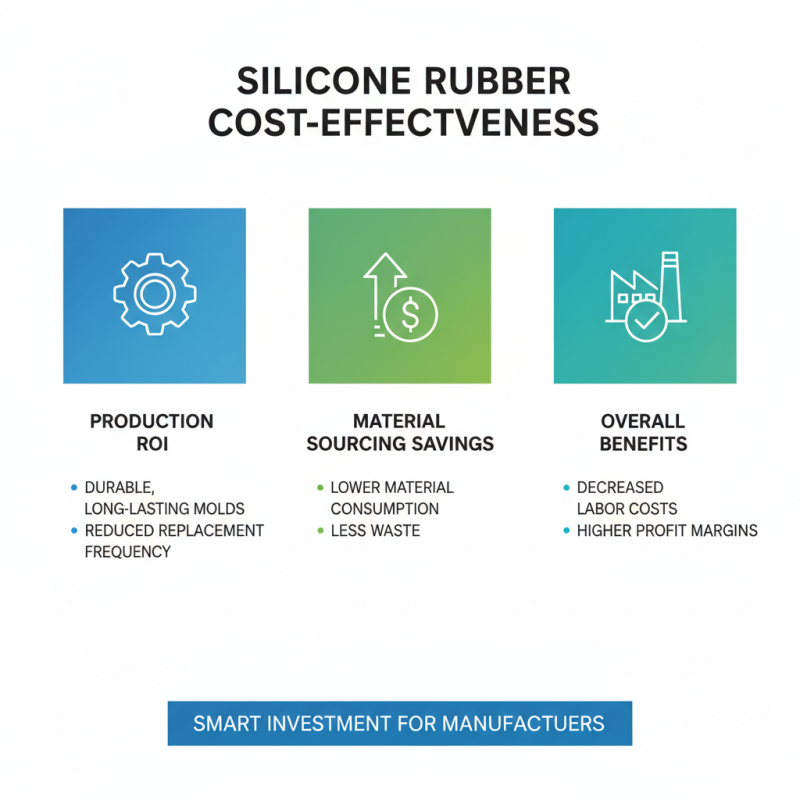
Silicone rubber stands out for its cost-effectiveness in mold making. The return on investment (ROI) can be significant. Its durability translates into longer-lasting molds, reducing the frequency of replacements. This leads to lower production costs over time. Manufacturers often find that initial expenses are quickly outweighed by savings in both material and labor.
Additionally, silicone rubber is versatile. It can adapt to various project needs, whether for small or large-scale productions. However, sometimes the market offers a broad range of silicone types, which can confuse decision-making. Knowing the right one to choose is essential. Failing to select the appropriate type could mean wasted resources and reduced effectiveness.
Another aspect lies in sourcing materials. While silicone rubber is generally accessible, quality may vary. Lower-grade materials might seem cheaper but can result in compromised mold quality. Investing in higher quality may seem like a burden initially but can save money in the long run. A careful balance of cost and quality is crucial for achieving the best outcomes.