China Best Silicone Rubber Molding Solutions for Global Buyers?
The global silicone rubber molding market is experiencing significant growth. According to a recent study by Market Research Future, the market is projected to reach USD 8.1 billion by 2025, driven by rising demand in various industries. These include automotive, electronics, and healthcare. Silicone rubber molding offers flexibility and durability, making it ideal for numerous applications.
China has emerged as a pivotal player in this sector. It specializes in delivering high-quality silicone rubber molding solutions tailored to meet international standards. Notably, manufacturers in China are increasingly adopting advanced technology to enhance production efficiency. This responsiveness has allowed them to cater to the specific needs of global buyers effectively.
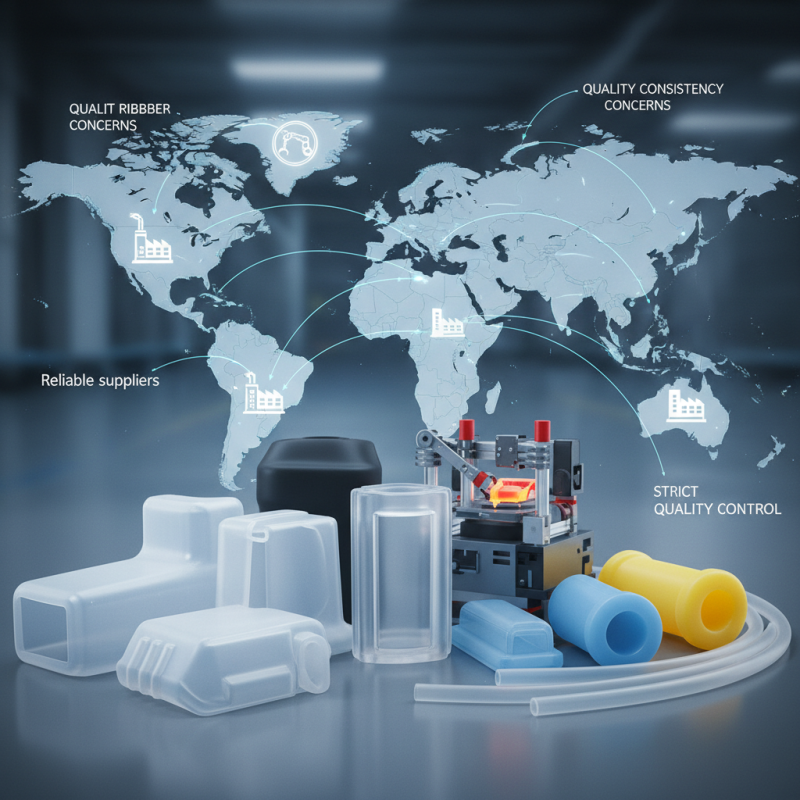
However, the industry faces challenges. Quality consistency remains a concern for many buyers. Selecting a reliable supplier is crucial for maintaining product standards. Continuous improvement and strict quality control measures must be emphasized. Global buyers are encouraged to reflect on their sourcing strategies to ensure they collaborate with trustworthy manufacturers in China.
Overview of Silicone Rubber Molding in China
Silicone rubber molding in China has grown significantly. Reports indicate that the industry experienced a compound annual growth rate (CAGR) of 7.5% from 2018 to 2023. This growth is driven by rising demand in automotive, electronics, and healthcare sectors. The material's flexibility, durability, and resistance to extreme temperatures make it a preferred choice for manufacturers.
One major factor is cost-effectiveness. Chinese manufacturers often provide competitive pricing due to lower labor costs and efficient production processes. However, buyers should not overlook quality control. Recent studies show that 15% of molded silicone products fail during performance tests. This highlights the necessity of partnering with reputable manufacturers who prioritize quality.
Tips: Always verify certifications. International quality standards like ISO and RoHS help ensure product safety. Conducting factory audits can reveal production capabilities and practices. Also, consider samples before committing to large orders to assess both quality and consistency. Remember, while price is important, quality should never be sacrificed.
China Best Silicone Rubber Molding Solutions for Global Buyers
| Parameter |
Description |
Advantages |
Applications |
| Material Type |
High-temperature resistance silicone rubber |
Durability, Flexibility, and Stability |
Automotive, Electronics |
| Molding Techniques |
Compression and Injection Molding |
High efficiency and precision |
Consumer goods, Medical devices |
| Production Capacity |
Up to 100,000 units/month |
Scalable and customizable production |
Industrial applications, Aerospace |
| Quality Standards |
ISO 9001 certified |
Standardized processes ensure consistency |
Medical, Food industry |
| Export Markets |
North America, Europe, Asia |
Wide reach and compliance to international standards |
Global sourcing and partnerships |
Key Advantages of China’s Silicone Rubber Solutions
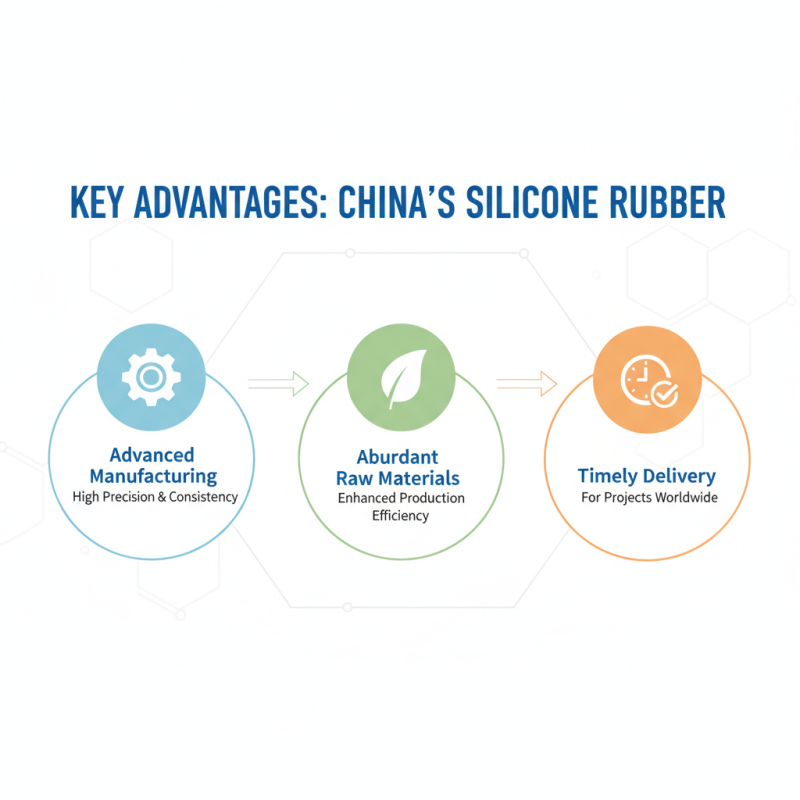
China's silicone rubber solutions stand out for several reasons. The country has advanced manufacturing techniques. These methods ensure high precision and consistency in products. Furthermore, the ready availability of raw materials enhances production efficiency. As a result, buyers can expect timely delivery for their projects.
Cost-effectiveness is another advantage. Manufacturers in China often provide competitive pricing without sacrificing quality. This balance attracts global buyers looking for value. However, not all suppliers maintain the same standards. It’s essential for buyers to conduct thorough research and engage with reputable suppliers. Ensuring quality control is crucial.
In addition, China offers diverse silicone rubber applications. This flexibility allows customization for various industries, including automotive, medical, and electronics. Nonetheless, the vast market can be overwhelming. Buyers should focus on clear communication and detailed specifications to avoid mistakes. Investing time in understanding the manufacturing process can yield better results.
Popular Applications of Silicone Rubber Products Worldwide
Silicone rubber products have a wide range of applications across various industries worldwide. In automotive manufacturing, silicone rubber seals and gaskets are crucial for ensuring proper sealing and preventing leaks. Their ability to withstand extreme temperatures and resist aging makes them a preferred choice for many components. Additionally, silicone materials are essential in medical devices, where biocompatibility and durability are vital. From syringe components to prosthetics, these products are pivotal in enhancing patient care.
Another popular application is in consumer electronics. Silicone rubber provides excellent insulation and protection for delicate electronic components. It is also commonly used in smartphone cases and wearable devices due to its flexibility and grip. However, as demand increases, ensuring consistent quality in production can be a challenge. Manufacturers must navigate supply chain complexities and evolving regulations while maintaining product integrity.
In the food industry, silicone rubber holds an important position as well. Its non-toxic, heat-resistant properties make it ideal for kitchenware such as baking mats and spatulas. Yet, achieving food-grade certifications requires rigorous testing and adherence to standards, which can be daunting. Balancing innovation with compliance remains a key focus for producers aiming to meet global market demands while ensuring safety.
Popular Applications of Silicone Rubber Products Worldwide
Factors to Consider When Sourcing Silicone Rubber Molding
When sourcing silicone rubber molding solutions, several key factors must be taken into account. First, the quality of raw materials is crucial. Research shows that high-quality silicone can enhance durability and performance. Buyers should seek suppliers who prioritize material integrity. A recent market report indicated that the global silicone market is projected to grow by 5.3% annually through 2025, emphasizing the need for robust materials in production.
Another critical aspect is the technological capabilities of the manufacturer. Advanced molding technologies can improve molding precision and reduce waste. Choosing a partner with state-of-the-art equipment often leads to efficiency and cost savings. However, not all suppliers invest equally in technology. It's important to research and verify their capabilities before making decisions. Additionally, understanding the production process can help buyers identify potential bottlenecks.
Pricing strategies also deserve attention. While lower prices can be enticing, they often hide quality compromises. A detailed price comparison across multiple suppliers is advisable. This creates transparency and helps buyers make informed decisions. However, it is easy to be swayed by initial cost without considering long-term value. Finding the right balance between cost and quality is essential for successful sourcing.
Leading Manufacturers and Suppliers in China’s Market
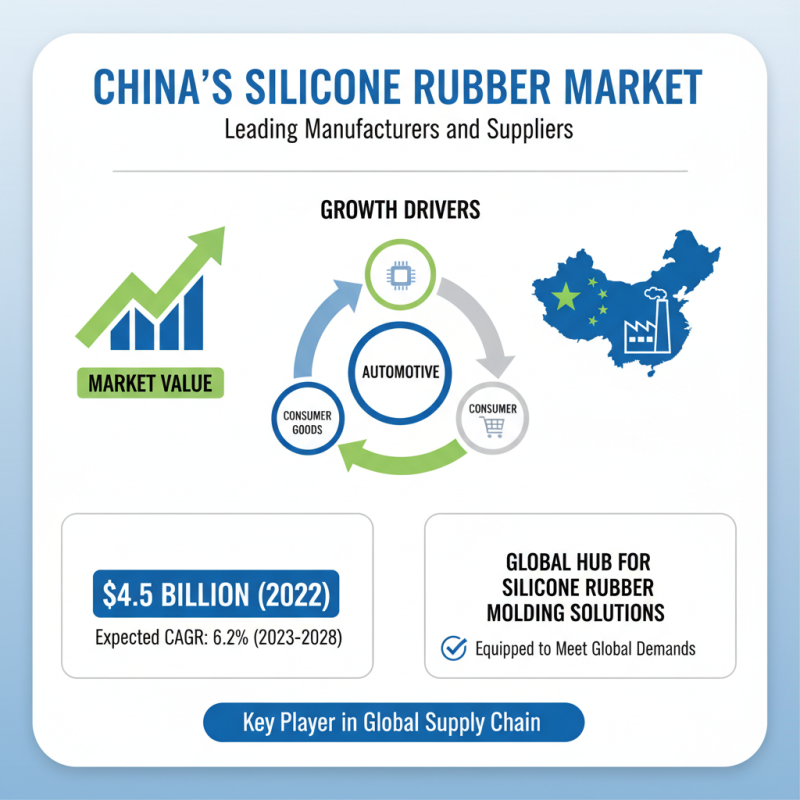
China has emerged as a leading hub for silicone rubber molding solutions. The country's manufacturers and suppliers are well-equipped to meet the demands of global buyers. In 2022, the silicone rubber market in China was valued at approximately $4.5 billion and is expected to grow at a CAGR of 6.2% through 2028. This growth is driven by increased applications in automotive, electronics, and consumer goods.
When selecting a supplier, understanding their production capabilities is crucial. Many Chinese manufacturers invest heavily in advanced technology. This ensures high precision and consistency in molding processes. However, not all suppliers maintain the same standards. Some may cut corners to reduce costs. Conducting thorough research, including visiting factories, can prevent potential issues.
**Tip:** Always request samples before placing large orders. This allows buyers to evaluate the quality firsthand. Furthermore, knowing the certifications that a supplier holds can also indicate their reliability.
In addition, exploring customer reviews and testimonials can offer invaluable insights into a supplier’s reputation. Engaging with past clients can reveal strengths and weaknesses. It’s important to balance cost and quality when making your decision.