Top 10 Benefits of Over Molding for Global Buyers?
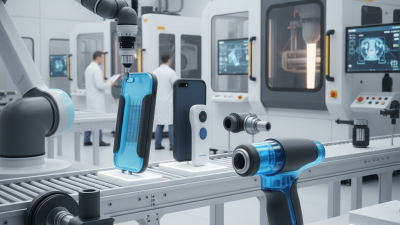
Over molding is a significant process in manufacturing that many global buyers are starting to appreciate. According to Dr. Emily Watson, a renowned expert in polymer engineering, “Over molding not only enhances product durability but also opens avenues for creative design.” This technique combines two materials to create a product that meets diverse functional and aesthetic needs.
In today's competitive market, understanding the benefits of over molding is crucial. It offers improved ergonomics and a sleek appearance, thus attracting consumers’ attention. Additionally, it can lead to cost savings over time due to its durability and reduced assembly requirements.
However, it is essential to reflect on the potential challenges in implementing over molding. Some might face difficulties in selecting the right materials or achieving the perfect bond. As the industry evolves, addressing these issues will be key to optimizing the advantages over molding provides. By exploring these benefits, global buyers can make informed decisions that enhance their product lines.
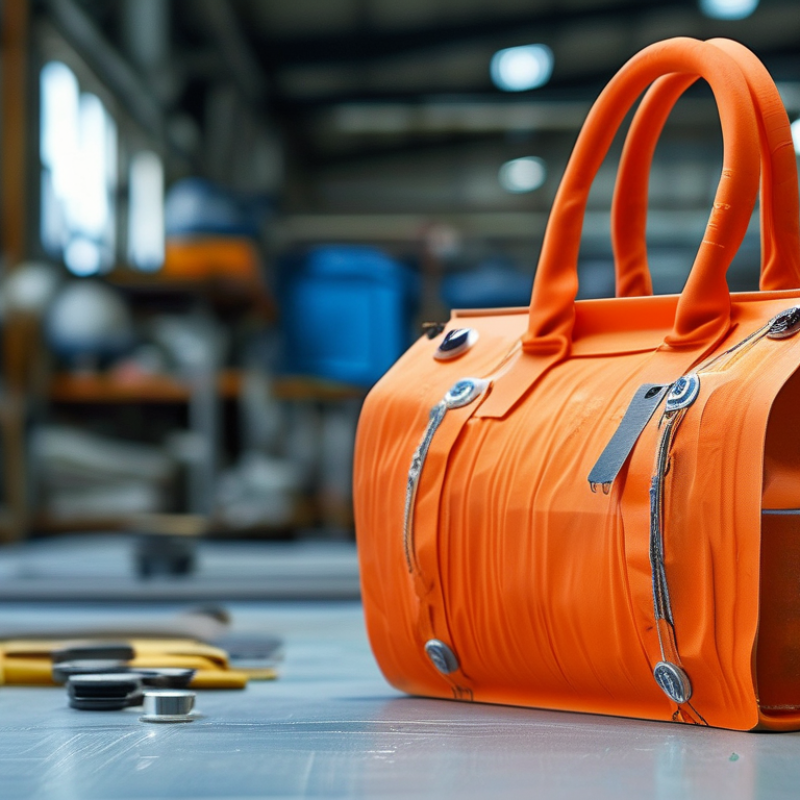
Benefits of Over Molding: An Overview for Global Buyers
Over molding is gaining attention among global buyers for its multifunctional benefits. This process combines two materials to create a single, enhanced component. It can reduce assembly time by integrating parts. This is particularly valuable for mass production. However, achieving a solid bond can be challenging. Buyers must ensure that material compatibility is thoroughly tested.
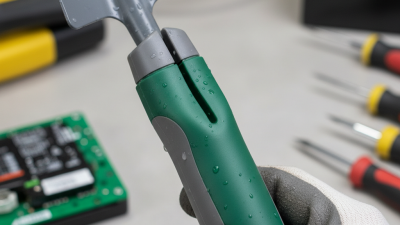
One significant advantage of over molding is improved ergonomics. Soft touches in critical areas soften the user experience. This increases product appeal significantly. Additionally, over molded products often demonstrate better durability. The outer layer protects against wear and environmental factors. Nevertheless, quality control can be a hurdle. Manufacturers need strict standards to maintain consistency.
Cost-effectiveness also stands out in over molding. The potential reduction in labor costs is attractive to many businesses. Reduced part count means fewer assembly errors, which is beneficial. However, initial setup costs can be high. It is essential to perform a cost-benefit analysis before proceeding. Buyers should weigh these benefits carefully against their specific needs.
Top 10 Benefits of Over Molding for Global Buyers
Cost Efficiency in Production: Savings with Over Molding Techniques
Over molding provides significant cost savings in production, making it an attractive option for global buyers.
This technique combines two materials to enhance product functionality and durability.
By minimizing parts, manufacturers can lower assembly costs.
Fewer components often lead to a reduction in labor expenses.
Moreover, using less material can decrease waste, further contributing to cost efficiency.
Tips for successful over molding include proper material selection and design.
Ensure the materials bond well to achieve a strong final product.
Testing prototypes before full-scale production is crucial.
This helps identify potential issues early, preventing costly errors.
Producers should also consider the mold design.
An efficient mold can reduce cycle times and improve overall production efficiency.
Incorporating over molding may require a shift in thinking.
Some manufacturers worry about the upfront costs of new molds.
However, the long-term savings often outweigh initial expenses.
A careful analysis of potential benefits can help in making informed decisions.
Flexibility in production can lead to a competitive edge in the marketplace.
Enhancing Product Durability: The Impact of Over Molding Materials
Over molding offers significant advantages in enhancing product durability. Combining different materials can create a robust outer layer. This process improves resistance to wear, abrasion, and environmental factors. According to a study by the Society of Plastics Engineers, products benefit from a 30% increase in longevity when over molded components are used. The integration of these materials results in superior grip and tactile feedback, essential for user experience.
Tips: Always evaluate the compatibility of materials used in over molding. Discrepancies in thermal expansion can lead to defects. Testing prototypes under real-world conditions is crucial. Also, consider that while over molding enhances durability, it may increase production costs. Balancing quality with budget constraints is vital for business success.
Moreover, the aesthetic appeal of over molded products cannot be overlooked. The ability to create complex shapes and vibrant colors is a game changer. Some manufacturers report a 25% increase in consumer interest due to enhanced design. However, keep in mind that over molding may not be suitable for all types of products. Engineers should assess the specific application and end-use before proceeding.
Improved Aesthetic Appeal: Design Advantages of Over Molding
Over molding offers distinct design advantages that enhance a product's aesthetic appeal. By combining different materials, manufacturers can create visually appealing textures and colors. This process allows for creative freedom that can attract consumers' attention. For instance, a soft-touch finish can be achieved by over molding silicone onto a hard plastic base. This not only improves the grip but also adds an element of sophistication.
Additionally, over molding enables intricate designs that might be challenging with traditional methods. It allows for seamless transitions between materials, contributing to a modern look. However, the precision required in this process can present challenges. Manufacturers must balance cost and complexity while maintaining quality. There is always a risk of mismatched materials, which can spoil the design’s impact and durability.
The fusion of aesthetics and functionality makes over molding a popular choice. Products can be tailored to meet consumer preferences while ensuring a comfortable user experience. It’s essential for companies to evaluate their specific needs and understand potential pitfalls. A thoughtful approach can lead to successful designs that resonate with target markets.
Customization Opportunities: Tailoring Over Molding for Diverse Markets
Over molding offers unique customization opportunities for global buyers. This process allows manufacturers to create tailored products that meet specific market demands. By combining materials, diverse textures and colors can be achieved. This flexibility is essential for companies aiming to establish a strong presence in various regions. For instance, soft-touch grips can be produced for electronic devices. They enhance user experience and differentiate products from competitors.
Customization also enables the integration of functional features. Additives can be included for increased durability or enhanced grip. Buyers may prefer softer materials for certain applications. Some may require more rigid components for strength. This variety ensures that products serve their intended purpose effectively. However, finding the right balance between functionality and comfort poses challenges. Over molding techniques must be adapted to meet these diverse needs.
Lastly, market trends influence customization choices. Buyers must stay aware of shifts in consumer preferences. Neglecting these trends could result in products that fail to resonate. The process involves constant reflection and adaptation. It’s about more than just aesthetics; it’s about meeting real-world demands. Each market has its unique characteristics that require thoughtful consideration. Customization is at the heart of successful over molding strategies.