The Best Plastic Dip Molding Techniques for Your Business Needs?
In today's competitive market, understanding the best plastic dip molding techniques can significantly enhance your business's manufacturing capabilities. Plastic dip molding offers a versatile solution for creating durable and high-quality products. It involves coating an object with liquid plastic, resulting in a robust finish that stands up to wear and tear. This process is widely used in various industries, from automotive to consumer goods.
Many businesses overlook the importance of selecting the right techniques for plastic dip molding. This negligence can lead to subpar products and increased costs. Investing time in learning these techniques is essential for maintaining quality. Developing a solid understanding of the materials and processes involved is equally critical. Small adjustments can greatly affect the outcome.
Moreover, each project presents its own set of challenges. Navigating these challenges can feel overwhelming at times. However, embracing these difficulties is part of the journey. Reflecting on past projects and their outcomes can guide future improvements. By doing so, businesses can refine their practices and achieve superior results in plastic dip molding.
Understanding Plastic Dip Molding: An Overview of Techniques
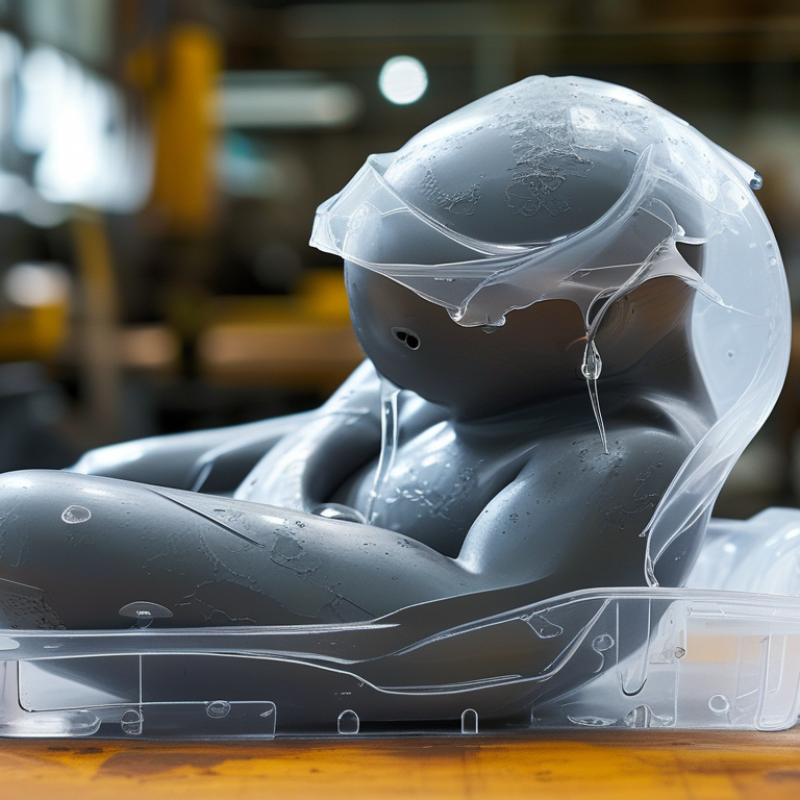
Plastic dip molding is a fascinating process that allows businesses to create custom parts and components efficiently. This method involves dipping a mold into a thermoplastic material, which then forms a coating or specific shape. It’s especially popular for creating grips, handles, and protective coatings. Understanding the various techniques of plastic dip molding can greatly enhance production efficiency and product quality.
One common technique is the use of a single-dip process. This method creates a uniform layer, ideal for simple shapes. However, it may not deliver the thickness some applications require. Multi-dip techniques can solve this issue by layering the material multiple times. Each layer must cure properly, which can be time-consuming. Businesses often struggle with achieving the right balance of speed and quality in this method.
Heat treatment is another technique that improves the strength of the final products. By applying heat after the molding process, companies can enhance durability. Yet, not all materials respond well to heat, leading to potential inconsistencies. Experimentation is crucial. Understanding these subtleties ensures businesses select the right approach to meet their unique needs. Each technique carries its own challenges, making expertise in plastic dip molding invaluable.
Essential Tools and Equipment for Plastic Dip Molding Processes
Plastic dip molding is a versatile manufacturing technique that requires specific tools and equipment for optimal results. Key components include precise heating systems, molds, and dipping tanks.
According to industry reports, investing in high-quality heating systems can enhance temperature control and reduce cycle times by 30%. This advancement can significantly improve production efficiency.
Moreover, molds need to be crafted from durable materials that withstand repeated use. Steel molds are among the most favored due to their strength and longevity. The choice of materials impacts production quality. Reports show that businesses using reliable molds have up to a 25% decrease in defects. This data underscores the importance of selecting the right equipment for successful plastic dip molding.
Additionally, dipping tanks must be designed to maintain consistent temperatures, which is crucial for achieving uniform coatings. It’s essential to monitor tank conditions regularly. Inadequate maintenance can lead to inconsistent results. Regular calibration of equipment, as recommended by best practices, ensures reliability. This attention to detail is vital for any business looking to excel in plastic dip molding processes.
Step-by-Step Guide to Execute Plastic Dip Molding Effectively
Plastic dip molding is a versatile technique used across various industries. It allows for the creation of complex shapes and protective coatings. To execute this process effectively, a step-by-step approach is essential.
Begin by selecting the right materials. Different plastics have unique properties. Understanding these properties ensures the final product meets specific needs. According to industry reports, around 70% of businesses experience challenges with material selection. This step is often overlooked, leading to poor product performance.
Next, prepare the mold carefully. The mold's surface quality affects the final product significantly. Clean and precise molds reduce defects. A study found that nearly 30% of defects arise from poor mold preparation. After the mold is set, pour the plastic carefully. Maintain consistent temperatures for best results. Small variations can lead to defects. It's important to monitor the process closely. Adjustments may be needed during molding to optimize outcomes.
Common Challenges in Plastic Dip Molding and How to Overcome Them
Plastic dip molding has become a go-to method for various manufacturing needs. However, it is not without its challenges. Common issues include uneven coating, over-application, and limited design flexibility. These problems can impact product quality and production efficiency. Understanding these challenges is vital for any business engaged in plastic dip molding.
Tips: Implementing a precise application technique can greatly reduce uneven coating. Adjusting the dip speed and angle can help achieve a uniform layer. Experiment with different viscosity levels of the material to see what works best for your products.
Another challenge is the difficulty in removing excess material after dipping. This can lead to wasted resources and time. Using a properly designed mold can minimize over-application. A well-thought-out mold will help in controlling the amount of material used.
Tips: Regularly assess your molds for wear and tear. A worn mold may lead to inconsistent results. Incorporating a cleaning schedule for your molds can prevent buildup, ensuring smooth operations during production.
The Best Plastic Dip Molding Techniques for Your Business Needs? - Common Challenges in Plastic Dip Molding and How to Overcome Them
| Technique |
Description |
Common Challenges |
Solutions |
| Spray Application |
A method of applying plastic dip through a spray gun for even coverage. |
Inconsistent thickness and overspray. |
Use controlled spray techniques and mask areas not to be coated. |
| Dipping Method |
Submerging parts into a vat of liquid plastic dip for uniform coverage. |
Bubbles and imperfections. |
Ensure proper dip speed and pre-clean the items to minimize defects. |
| Brushing Technique |
Applying plastic dip with brushes or rollers for detailed work. |
Streaks or uneven coating. |
Use high-quality brushes and apply multiple thin layers. |
| Injection Molding |
A precise method where melted plastic is injected into molds. |
High initial costs and long lead times. |
Optimize mold design and production process to reduce costs. |
Selecting the Right Plastic Materials for Your Dip Molding Needs
Selecting the right plastic materials for dip molding
is crucial for achieving optimal results. Different applications require specific properties.
For instance, flexible materials
are essential for parts that need to bend easily. Rigid materials work best for structural components.
Understanding the application will guide your material selection.
Consider the environmental conditions your product will face.
Some plastics withstand heat better than others.
Others resist chemicals or moisture.
Performing tests can help you determine if the material performs under your expected conditions.
Quality tests might reveal weaknesses that are not apparent initially.
It's essential to stay informed about advancements in plastic materials.
New formulations come with improved properties or lower costs.
Engaging with industry experts can provide insights into which materials might work best for your needs.
Not every manufacturer will have the same quality.
Researching suppliers is vital to ensure reliability and consistency in your choice of materials.