In the ever-evolving landscape of manufacturing, selecting the right materials for molding plays a crucial role in the success of any project. According to a comprehensive report by Markets and Markets, the global plastic for molding market is projected to reach $750 billion by 2025, driven by advancements in technology and increasing demand across various sectors. The versatility of plastics not only enhances production efficiency but also offers considerable cost savings, making it an attractive option for manufacturers worldwide.
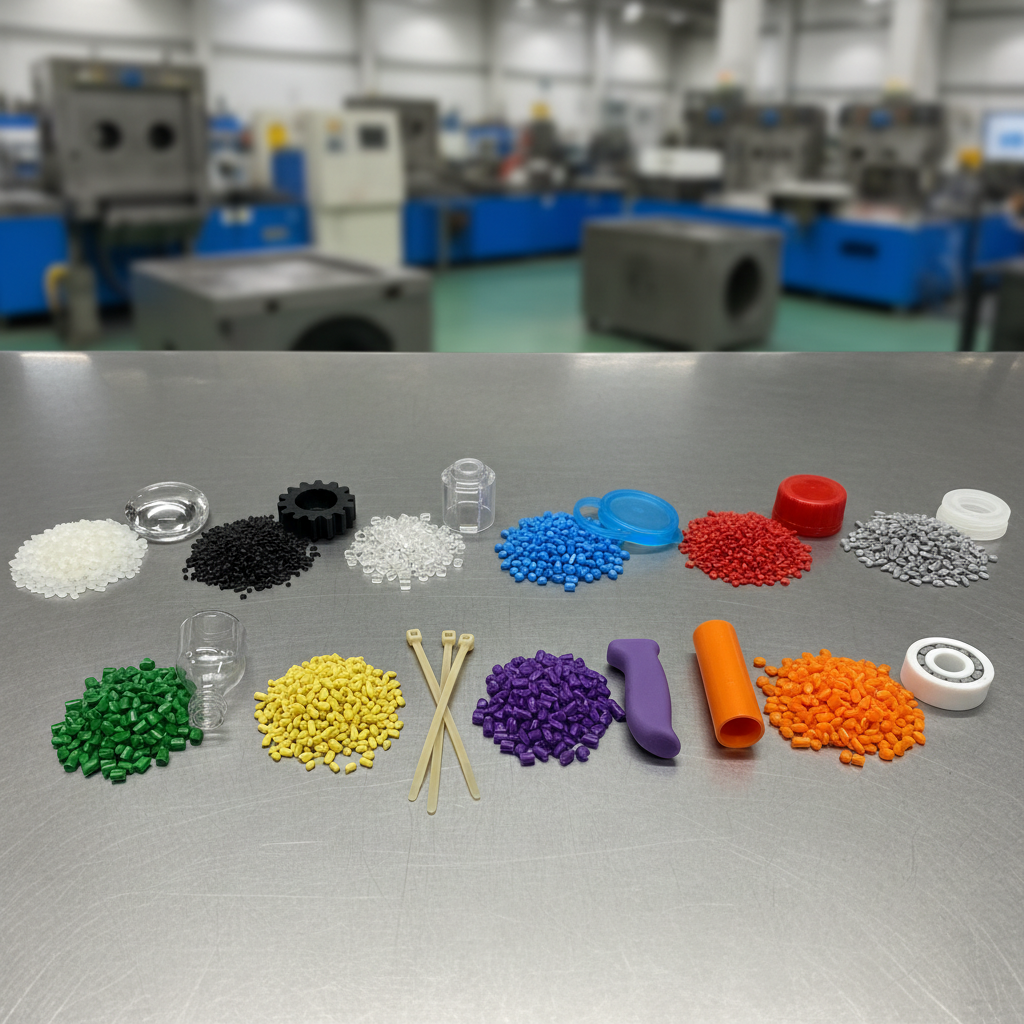
Industry experts emphasize the importance of understanding the properties and applications of different plastics. Dr. Laura Thompson, a leading materials scientist, asserts, “Choosing the right plastic for molding can significantly impact the performance and durability of the final product.” Her insights underscore the necessity for engineers and designers to make informed decisions when selecting materials. From common thermoplastics like ABS and PVC to high-performance options like polycarbonate and nylon, the array of choices available can cater to diverse project requirements. As we delve into the top 10 plastic materials for molding, it's essential to consider not only their properties but also their suitability for specific applications, ensuring optimal results for future endeavors.
When embarking on a molding project, the choice of plastic materials is crucial to ensure optimal performance and durability. According to a report by the American Chemistry Council, the global demand for plastic materials in various applications is expected to reach 600 million metric tons by 2025. Factors such as mechanical properties, thermal stability, and chemical resistance should be top considerations. For instance, ABS (Acrylonitrile Butadiene Styrene) is widely favored in toy manufacturing due to its impressive strength and impact resistance, making it ideal for high-stress applications.
Additionally, the end-use of the molded product significantly influences material selection. A study from the Plastics Industry Association revealed that nearly 37% of plastic parts produced are used in automotive applications, where lightweight and high-strength materials like polycarbonate and nylon are essential. Choosing the right plastic not only affects the functionality but also the sustainability of the project. With growing environmental concerns, materials such as biodegradable plastics are gaining traction, providing eco-friendly options that do not compromise on quality or performance. Understanding these key considerations enables manufacturers to make informed decisions that align with their project goals.
| Material | Properties | Applications | Considerations |
|---|---|---|---|
| Polypropylene (PP) | Lightweight, chemical resistant, good fatigue resistance | Packaging, automotive parts, textiles | Moderate thermal resistance, can be brittle at low temperatures |
| Acrylonitrile Butadiene Styrene (ABS) | Strong, impact resistant, good surface finish | Consumer electronics, toys, automotive components | Sensitive to UV light, can warp under high heat |
| Polycarbonate (PC) | High impact resistance, optical clarity, heat resistant | Safety glasses, automotive, electronic housings | More expensive than other materials, can yellow over time |
| Polyvinyl Chloride (PVC) | Durable, weather resistant, good electrical insulator | Pipes, doors, windows, vinyl flooring | Can release harmful chemicals when burned, rigid |
| Nylon (Polyamide) | Strong, wear resistant, good thermal resistance | Textiles, gears, automotive parts | Absorbs moisture, can degrade in UV light |
| Polystyrene (PS) | Lightweight, low cost, easily molded | Packaging, disposable cups, toys | Brittle, not suitable for high-temperature applications |
| Polyethylene Terephthalate (PET) | Strong, lightweight, good barrier properties | Bottles, containers, textiles | Can be affected by high temperatures, not biodegradable |
| Thermoplastic Elastomers (TPE) | Flexible, rubber-like, good chemical resistance | Seals, gaskets, automotive parts | More expensive compared to standard plastics |
| Polyurethane (PU) | Versatile, can be rigid or flexible, good abrasion resistance | Foams, coatings, elastomer parts | Can be sensitive to UV, requires careful processing |
| Polymethyl Methacrylate (PMMA) | Transparent, UV resistant, good weatherable properties | Displays, lenses, signage | Can scratch easily, less resistant to impacts than glass |
In the realm of injection molding, the selection of polymer materials plays a crucial role in achieving optimal results. Various polymers exhibit unique properties that significantly impact their performance during the molding process. For instance, polyetheretherketone (PEEK) stands out due to its exceptional strength-to-mass ratio and biocompatibility, making it an ideal candidate for applications demanding high structural integrity and resistance to harsh environments. Recent studies have shown that optimizing process parameters can further enhance these mechanical properties, allowing for more efficient production of durable components.
Equally important is the optimization of thermoplastic polyurethane (TPU) during injection molding, where mold temperatures significantly influence the final product's characteristics. Research indicates that maintaining mold temperatures below 60°C can affect both mechanical and thermal properties, resulting in improved performance of TPU products. Additionally, advancements in machine learning have enabled the optimization of biodegradable polymers, revealing that tailored process conditions can lead to substantial gains in material performance. This continuous exploration into polymer properties and their molding requirements is essential for engineers and manufacturers seeking to create high-quality, reliable plastic components.
When considering plastic materials for molding, a cost-benefit analysis of common types can significantly influence your manufacturing decisions. Different plastics come with varying properties, performance, and price points, making it essential to evaluate their advantages and drawbacks. For instance, polyethylene (PE) and polypropylene (PP) are often favored for their low cost and excellent flexibility, while polycarbonate (PC) offers superior impact resistance but at a higher price.
Tips: When selecting a plastic material, consider not just the initial material cost but also factors like durability, weight, and recyclability, which can affect long-term expenses. For projects requiring high precision, materials like acrylonitrile-butadiene-styrene (ABS) may be ideal despite their higher upfront cost.
It’s also important to think about how the chosen material fits into your production timeline and budget. Materials like polystyrene (PS) and nylon offer quick manufacturing cycles and good mechanical properties. However, if your project is sensitive to budget fluctuations, materials with a balance between performance and cost, such as high-density polyethylene (HDPE), might provide the best overall value. Understanding these dynamics can help streamline your project from conception to production.
The sustainability trend in the plastic molding industry is rapidly gaining traction, especially with the rise of biodegradable plastics. The Bio-polypropylene market is a key player, with projections indicating it will reach USD 1,160.28 million by 2029, highlighting the increasing interest in eco-friendly alternatives. This shift towards biodegradable materials is not limited to polypropylene; the global biodegradable polymers market is also expected to drive growth in eco-friendly packaging solutions, showcasing a commitment to reducing plastic waste and environmental impact.
Additionally, the Molded Pulp Packaging Market is experiencing robust growth, fueled by a rising demand for biodegradable packaging options. The shift towards more sustainable practices in packaging is reflected in the expanding global market, which emphasizes the need for innovative and eco-friendly solutions. Furthermore, advancements in algae-based bioplastics indicate a promising trajectory for sustainable material development, with an expected market size growth from USD 106.0 million in 2024 to USD 146.2 million by 2030. Such developments underscore an industry-wide commitment to integrating sustainability into plastic molding applications.
Innovations in plastic materials have significantly transformed molding techniques, with advanced plastics paving the way for enhanced performance and sustainability. According to a report by Smithers Pira, the global market for advanced plastics is expected to reach $20 billion by 2025, driven by innovations that improve properties such as durability, heat resistance, and flexibility. Polymers like PEEK and polycarbonate are gaining traction due to their exceptional mechanical properties and thermal stability, making them ideal for high-performance applications in aerospace and automotive industries.
Furthermore, the introduction of bioplastics is revolutionizing the molding landscape. These materials, derived from renewable resources, not only minimize environmental impact but also cater to the growing demand for sustainable solutions in manufacturing. According to a study by Grand View Research, the global bioplastics market size is projected to reach $44.9 billion by 2027, spurred by stringent regulations on plastic waste and an increasing shift towards circular economy practices. As these advanced plastics continue to evolve, they will undoubtedly shape the future of molding techniques, offering manufacturers an opportunity to create lighter, stronger, and more sustainable products.