Top Applications of Casting Plastic in Modern Manufacturing?
In the ever-evolving landscape of modern manufacturing, "casting plastic" stands out as a pivotal technology. According to a recent report by Markets and Markets, the global plastic market is projected to reach 750 million tons by 2025. This growth emphasizes the critical role casting plastics play in producing high-quality, precise components. Industries leveraging this innovation span automotive, aerospace, and consumer goods, showcasing its versatility.
Casting plastic techniques offer distinct advantages. For instance, they allow for intricate designs that traditional manufacturing cannot achieve. Additionally, the reduction in waste and energy consumption is significant. However, some challenges persist. Quality control remains a pressing issue as manufacturers strive to maintain standards while innovating.
As casting plastic gains momentum, the need for expertise grows. The development of advanced materials and techniques requires specialized knowledge. Continuous improvement and adaptation are essential for manufacturers to stay competitive. This dynamic field deserves attention as it reshapes how products are made today. The future of casting plastic is promising, yet demanding caution and commitment to excellence.
Overview of Casting Plastic in Modern Manufacturing
Casting plastic has emerged as a vital technique in modern manufacturing. It offers versatility and precision, enabling the production of intricate parts. According to a report by Research and Markets, the global market for plastic casting is expected to grow significantly, reaching $41 billion by 2026. This increase reflects a broader trend of adopting advanced materials to improve efficiency and reduce costs.
Many industries leverage casting plastic for its lightweight and durable properties. Automotive and aerospace sectors commonly utilize it to manufacture complex components. Moreover, the medical industry benefits from custom parts made using casting processes. A recent analysis highlighted that approximately 30% of all manufactured plastic parts come from casting methods. However, the challenges remain, such as the environmental impact of certain plastics used in casting processes, which requires ongoing evaluation.
In practice, the casting process allows for rapid prototyping and design flexibility. Yet, the quality of the final product depends heavily on parameters like temperature and pressure. Small deviations can lead to defects, affecting performance. Proper training for operators and continual process improvement are essential to mitigate these risks. Keeping abreast of technological advancements can also lead to better sustainability practices in the long run.
Key Advantages of Using Casting Plastics in Production
Casting plastics are revolutionizing modern manufacturing. Their versatility plays a crucial role in various industries. This method allows for precise designs and complex shapes that traditional materials struggle to achieve. With casting plastics, manufacturers can create lightweight parts that reduce energy consumption.
One key advantage of casting plastics is their cost-effectiveness. The production process often requires fewer resources than metal or other materials. This can lead to higher profit margins for businesses. Additionally, the rapid production cycle means manufacturers can respond quickly to market demands.
However, there are challenges to consider. Quality control in the casting process can be tricky. Variations in temperature and material can lead to defects. This calls for continuous improvement in manufacturing processes. Despite these challenges, the benefits of casting plastics continue to drive their adoption in various sectors.
Top Applications of Casting Plastic in Modern Manufacturing
This chart illustrates the top applications of casting plastic in modern manufacturing. The data reflects how widely these applications are utilized in various industries.
Major Industries Utilizing Casting Plastics
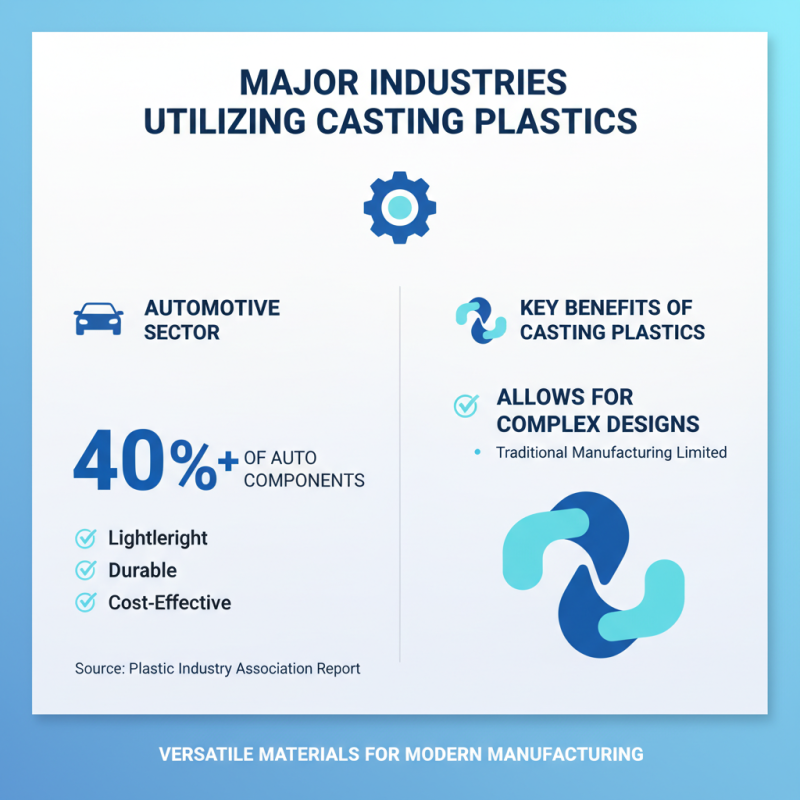
Casting plastics play a crucial role in various industries today. The automotive sector, for instance, utilizes these materials significantly. According to a recent report by the Plastic Industry Association, over 40% of all automotive components are made from casting plastics. These materials are lightweight, durable, and cost-effective. Additionally, they allow for complex designs often unattainable through traditional manufacturing methods.
The healthcare industry also benefits greatly from casting plastics. Medical devices, prosthetics, and equipment often require precision and safety. A study by the Biomedical Engineering Society highlights that nearly 30% of medical devices use cast plastics to meet strict regulatory standards. The ability to produce biocompatible and sterilizable components creates a safer environment for patients.
However, challenges exist. The recycling of casting plastics remains problematic. Only a fraction of these materials is recycled effectively. This raises concerns about sustainability in manufacturing processes. Moreover, variations in quality can occur. Achieving consistency in large-scale production is an ongoing issue. Such reflections underline the need for innovation within the industry to tackle these challenges while continuing to harness the benefits of casting plastics.
Innovative Applications of Casting Plastics in Product Design
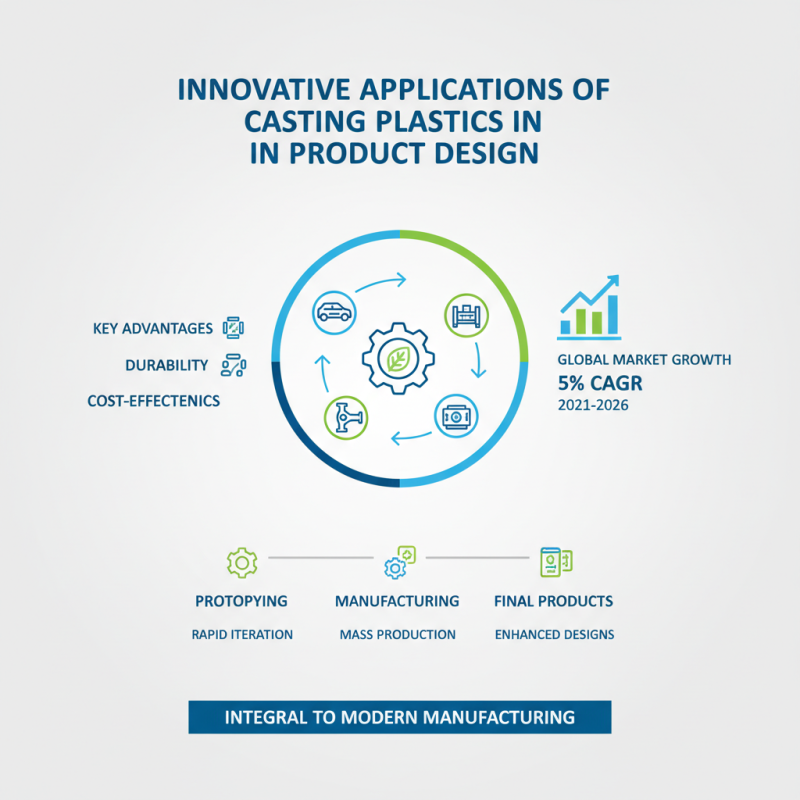
Casting plastics have become integral in modern manufacturing, especially in product design. These materials offer unique advantages such as flexibility, durability, and cost-effectiveness. Reports show that the global market for casting plastics is expected to grow significantly, with a projected compound annual growth rate (CAGR) of over 5% from 2021 to 2026.
One innovative application of casting plastics is in the automotive industry. Designers utilize these materials for creating complex components that enhance performance while reducing weight. For example, studies indicate that incorporating lightweight plastic castings can improve fuel efficiency by about 10-15%. This trend towards lighter vehicles reflects a broader industry push to meet sustainability goals.
Tips: When considering casting plastics, think about the environmental impact. Biodegradable options are emerging in the market. Ensure that your design meets durability and environmental standards.
Another area where casting plastics shine is consumer electronics. Manufacturers use them for sleek, lightweight casings that resist impact. Recent data reveal that casting plastic housings can lower production costs by nearly 20% compared to traditional materials. Nevertheless, challenges remain, such as achieving the right balance between aesthetics and functionality. Where some designs may look good, they can be prone to wear and damage over time.
In product design, continuous iteration is essential. Make use of prototyping to evaluate casting plastic designs before final production. This approach can lead to more successful outcomes.
Future Trends in Casting Plastic Technology and Manufacturing
The landscape of casting plastic technology is evolving rapidly. Recent data from industry reports indicate that the global plastic casting market is projected to grow by 5% annually, reaching a valuation of over $25 billion by 2025. This growth is driven by advancements in material science and increasing demand from sectors like automotive and aerospace.
Emerging trends point to enhanced sustainability. Many manufacturers are exploring bio-based and recycled plastics. However, challenges remain. The transition may involve higher costs and varied material properties. Additionally, ongoing research into 3D printing integration with casting processes is inspiring innovations but requires careful material compatibility assessments.
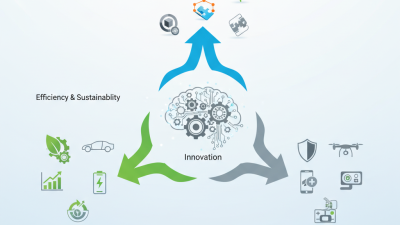
Data highlights that automation in casting processes could improve efficiency by 30%. Yet, integrating smart technologies presents obstacles. Suppliers must balance investment with the need for skilled operators. As industry needs adapt, manufacturers must stay agile, fostering collaboration for technology transfer. The future of casting plastic technology is promising, but it requires continuous reflection on operational methodologies and environmental impacts.