Top Plastic Dip Molding Innovations at the 139th Canton Fair?
At the 139th Canton Fair, the focus on advancements in plastic dip molding was evident. Industry expert Dr. Emily Chen stated, "Plastic dip molding is transforming manufacturing." Her insights reflect a broader trend in innovative techniques showcased at the fair.
This year, attendees can expect to see cutting-edge machinery that enhances precision. Various exhibitors are promoting eco-friendly materials and processes. The surge in AI integration helps streamline vendor selection and navigation through the expansive venue.
However, not all innovations are perfect. Some technologies still face challenges in scalability. Additionally, the reliance on AI may raise concerns about personal touch in vendor relationships. Analyzing the future of plastic dip molding reveals both exciting potential and areas needing reflection.
Recent Trends in Plastic Dip Molding Technology Showcased at Canton Fair
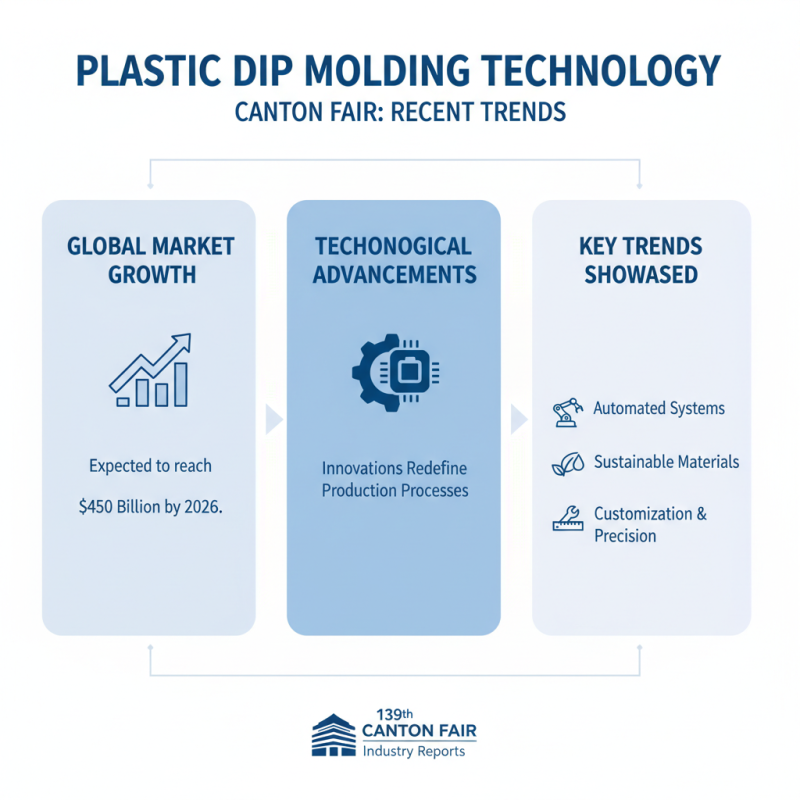
At the recent 139th Canton Fair, plastic dip molding innovations took center stage. Industry reports indicate that the global plastic molding market is expected to reach $450 billion by 2026, driven by advancements in technology. As manufacturers showcase their latest techniques, attendees observed numerous trends that could redefine production processes.
One prominent trend is the increased use of environmentally friendly materials. Reports indicate that over 30% of companies are shifting towards bio-based polymers. This shift is essential for reducing environmental impact. However, achieving consistent quality in these new materials remains a challenge. Issues like material variability can affect product performance.
Another exciting innovation is the integration of automation in the dip molding process. About 25% of companies are investing in automated systems to enhance efficiency. While this can significantly boost productivity, it also raises concerns about job displacement and the need for skilled workers. Companies must balance technology with maintaining a knowledgeable workforce.
Key Innovations in Material Efficiency for Plastic Dip Molding Processes
The 139th Canton Fair showcased significant advancements in plastic dip molding, particularly in material efficiency.
According to a recent industry report, optimizing material usage can reduce waste by up to 30%. This change not only cuts costs but also minimizes environmental impact.
Manufacturers are increasingly adopting advanced materials that enhance durability while using less plastic. This innovation is crucial as the demand for sustainable production methods grows in the industry.
Tips for enhancing material efficiency include:
- Investing in training for staff. Proper training can lead to better understanding and implementation of efficient practices.
- Using software that tracks material consumption can provide insights into usage patterns.
This data can help businesses identify areas for improvement. However, many companies still overlook the importance of data analysis, which can lead to unnecessary excess.
Innovations in molds also contribute to efficiency. New molding techniques allow for the creation of complex shapes with less material.
Some processes, like rapid prototyping, reduce time from concept to production. Yet, companies must balance innovation with tradition.
Not all innovations provide immediate benefits. Testing new techniques may require time and investment.
Therefore, careful evaluation of these new innovations is crucial for sustained growth and efficiency.
Impact of Automation on Production Speed in Plastic Dip Molding
Automation is reshaping the future of plastic dip molding. With the rise of automated systems, production speeds are significantly increasing. Traditional methods require more manual operation. This can lead to human errors and inconsistency. Automated solutions, on the other hand, streamline the workflow. They allow for consistent quality control and reduce the risk of defects.
While automation positively impacts production, it also raises concerns. Workers may feel threatened by machines taking over their jobs. Some skill sets might become obsolete. Companies should think seriously about training and re-skilling their workforce. This balance is crucial. A fully automated line may improve speed but may also create a disconnect between employees and the production process.
Additionally, the implementation of automation requires upfront investment. Businesses must evaluate their budgets carefully. Can they afford to upgrade their systems without compromising other areas? Effectively managing these challenges is essential. The goal is to enhance efficiency while maintaining a skilled labor force. A thoughtful approach will ensure that innovations benefit everyone involved.
Sustainability Advancements in Plastic Dip Molding Techniques Discussed
The 139th Canton Fair showcased significant sustainability advancements in plastic dip molding techniques. Industry experts highlighted how these innovations can reduce environmental impact. According to a recent market report, the global bioplastics market is projected to reach $44.5 billion by 2024. Yet, many companies still rely on traditional methods that generate vast amounts of waste.
During the fair, discussions focused on the use of biodegradable materials in dip molding. These materials can effectively replace petroleum-based plastics. The challenge remains that not all biodegradable alternatives perform equally. Some may degrade under ideal conditions, but not in everyday environments. This inconsistency raises questions about lifecycle assessments.
Moreover, advancements in waste reduction techniques are crucial. Techniques such as closed-loop systems may help minimize waste. A report by the Plastic Pollution Coalition indicates that only 9% of plastic waste is recycled globally. Addressing this statistic requires industry commitment and innovation. Enhanced recycling processes are pivotal to achieving sustainability goals. This evolving landscape reveals both promise and areas needing improvement.
Emerging Market Demands Shaping Future of Plastic Dip Molding Industry
The 139th Canton Fair highlighted significant shifts in the plastic dip molding industry. Emerging market demands are reshaping innovation and production standards. According to industry reports, the global plastic molding market is expected to reach $450 billion by 2025. This growth is driven by increased demand in automotive and consumer goods sectors.
One noteworthy trend is the rise of eco-friendly materials. With more businesses focusing on sustainability, manufacturers must adapt. Traditional plastics are under scrutiny. Consumers now prefer alternatives that reduce environmental impact. This pushes companies to explore biodegradable options in dip molding.
Tip: Embrace sustainable practices. Research eco-friendly materials. This may lead to new business opportunities.
Another aspect is automation in production. Reports indicate that automated systems can increase efficiency by up to 30%. However, transitioning to automation requires significant investment. Smaller companies may struggle to keep pace, leading to industry consolidation.
Tip: Assess your current processes. Identify areas for automation. Staying competitive requires continuous adaptation.
The future of plastic dip molding lies in understanding these market shifts. Businesses must remain flexible. The ability to innovate is key to survival in this evolving landscape.