What is Dip Molding and How Can It Benefit Your Business?
Dip molding is a manufacturing process that makes a significant impact on various industries. It involves dipping a mold into a liquid material, typically a thermoplastic, and allowing it to form a coating. This technique is efficient for producing durable parts with unique shapes and textures. Many businesses leverage dip molding to create custom products that enhance their offerings.
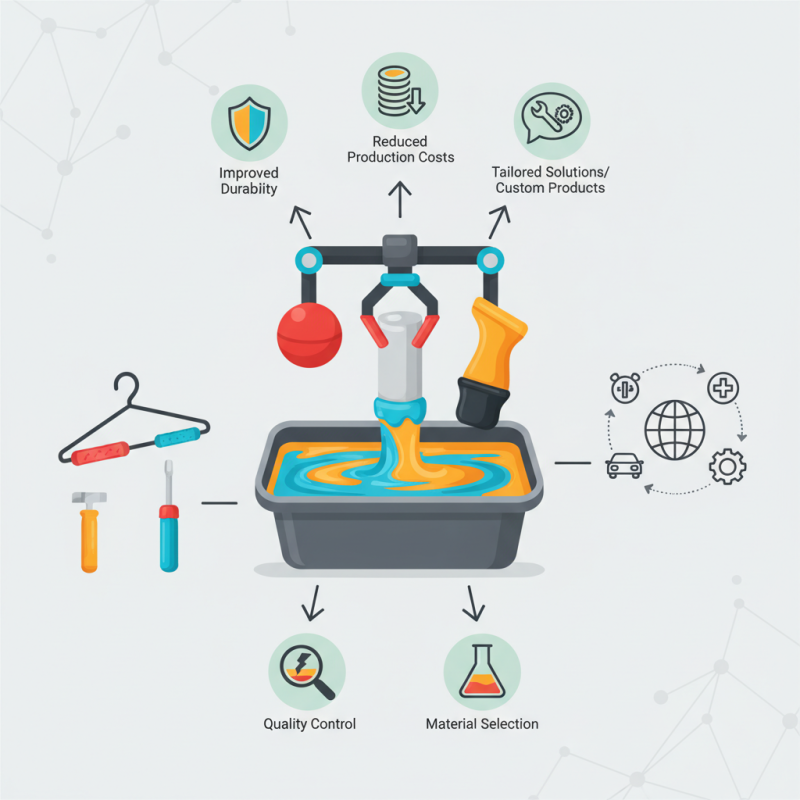
The benefits of dip molding extend beyond mere aesthetics. Companies enjoy improved durability and reduced production costs. The process enables the creation of non-slip grips, insulation layers, and protective coatings. Moreover, it can serve niche markets by allowing tailored solutions that competitors may overlook.
While dip molding offers numerous advantages, challenges in quality control and material selection exist. Businesses must refine their processes and continuously evaluate their outcomes. Understanding the intricacies of dip molding becomes crucial for maximizing its potential. As industries evolve, dip molding remains a valuable technique that can benefit companies willing to explore its possibilities.
What is Dip Molding and Its Key Principles?
Dip molding is a versatile manufacturing process known for its ability to produce intricate rubber or plastic components. At its core, dip molding involves immersing a mold into a thermoplastic solution, allowing the material to coat the mold surface. Once the material solidifies, it creates a seamless, uniform product. This process is particularly popular for producing handles, grips, and seals, which are essential in various industrial applications.
According to industry reports, dip molding can increase operational efficiency by minimizing waste. Studies indicate that dip molded products have up to 30% less material wastage compared to traditional molding methods. This reduction not only cuts costs but also benefits sustainability efforts. Moreover, the flexibility in design allows businesses to create custom shapes, catering to specific market needs.
While the benefits are clear, companies should consider the potential challenges. The initial setup for dip molding can be complex and requires specialized equipment. Additionally, the curing phase can be time-consuming, impacting production timelines. Understanding these factors is crucial for businesses considering this process. Prioritizing innovation while balancing logistics is key for maximizing the advantages of dip molding.
Understanding the Benefits of Dip Molding
The Dip Molding Process: Step-by-Step Overview
Dip molding is a manufacturing technique that creates customized rubber or plastic parts. Understanding the dip molding process can empower your business to enhance production efficiency.
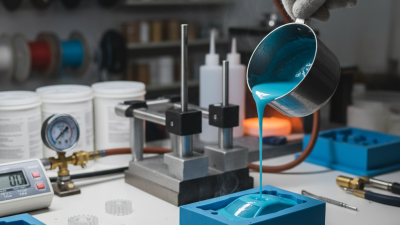
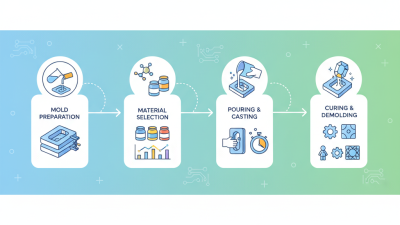
The process begins with preparing the mold, typically made from metal. It is then preheated to ensure proper material adhesion. Next, the mold is dipped into a liquid polymer. This step defines the final product's thickness. Allowing the polymer to cure follows, solidifying the material into the desired shape.
Tips for achieving the best results include ensuring the mold’s surface is clean. Any contamination can affect the final product's quality. Regular maintenance of equipment will prevent issues during production. Finally, monitoring temperature is crucial. Too hot or too cold can lead to defects in the final product. Adjusting these variables can save time and resources in the manufacturing process.
What is Dip Molding and How Can It Benefit Your Business?
| Aspect |
Details |
Benefits |
| Process Definition |
Dip molding is a manufacturing process used to create a coating or a part by dipping a mold into a liquid material, which then solidifies to form a specific shape. |
Provides customization in shape and design, allowing for unique product offerings. |
| Materials Used |
Common materials include PVC, rubber, and silicone, depending on the application requirements. |
Ability to select materials based on durability, flexibility, and specific application requirements. |
| Applications |
Used in various industries including automotive, electronics, and consumer goods for grips, handles, and protective coatings. |
Versatility in applications leads to broader market opportunities and increased sales potential. |
| Cost Efficiency |
Relatively low setup costs and the ability to produce parts in bulk at a lower cost. |
Reduces production costs and enhances profit margins, making it attractive for businesses. |
| Environmental Consideration |
Dip molding can use eco-friendly materials, promoting sustainability in manufacturing. |
Aligns with green initiatives, appealing to environmentally conscious consumers and markets. |
Advantages of Dip Molding for Various Industries
Dip molding is a versatile manufacturing technique that involves coating materials, commonly used in various industries. Its advantages can significantly impact businesses seeking efficiency and cost-effectiveness. For instance, dip molding helps reduce waste and improve material usage. Studies indicate that it can lower manufacturing costs by approximately 15% through precise layer application.
Industries such as automotive and healthcare benefit immensely from dip molding. In automotive manufacturing, it provides protective coatings for wires and connectors, ensuring durability. According to the Global Automotive Plastic Market Report, the demand for plastic coatings is expected to grow annually by over 6%, showcasing this method's relevance.
Tips: Consider your specific application requirements. This will help you choose the right material and coating thickness. Also, maintaining a consistent dip temperature is essential for quality control. Finally, always conduct periodic inspections to check for any defects in the coatings. These practices can enhance efficiency and quality in production.
In healthcare, dip molding is used for grips and handles, creating ergonomic designs that improve usability. Such solutions are crucial, as a report from the Healthcare Plastics Market states that the sector is projected to reach $43 billion by 2026. However, companies should reflect on their processes to ensure they utilize dip molding effectively. Regular evaluations can reveal areas for enhancement and innovation.
Applications of Dip Molding in Product Development
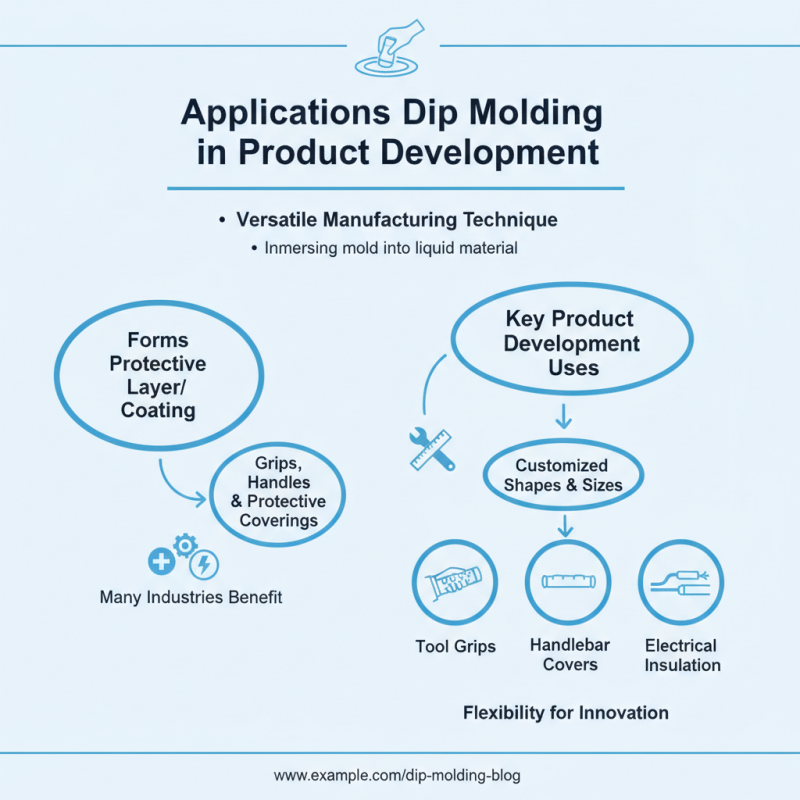
Dip molding is a versatile manufacturing technique. It involves immersing a mold into a liquid material. This forms a protective layer or coating on products. Many industries benefit from this process, especially in product development. It is commonly used to create grips, handles, and protective coverings. The flexibility of dip molding allows for customized shapes and sizes.
In product development, dip molding enables companies to design unique and functional products. For example, tools can be enhanced with soft grips. This improves comfort and usability. The process also allows for quick prototyping. This means businesses can test designs without significant investment. However, it is crucial to assess the material used. Not all materials react well in every application.
Tips: Always conduct tests before finalizing the product. Consider environmental factors as well. A product designed for outdoor use must resist UV rays. Don't forget about the overall production costs. Assess whether dip molding fits your budget. Remember, sometimes the most innovative ideas come from unexpected mistakes. Be open to recalibrating your designs based on feedback.
Cost Considerations and Efficiency in Dip Molding Production
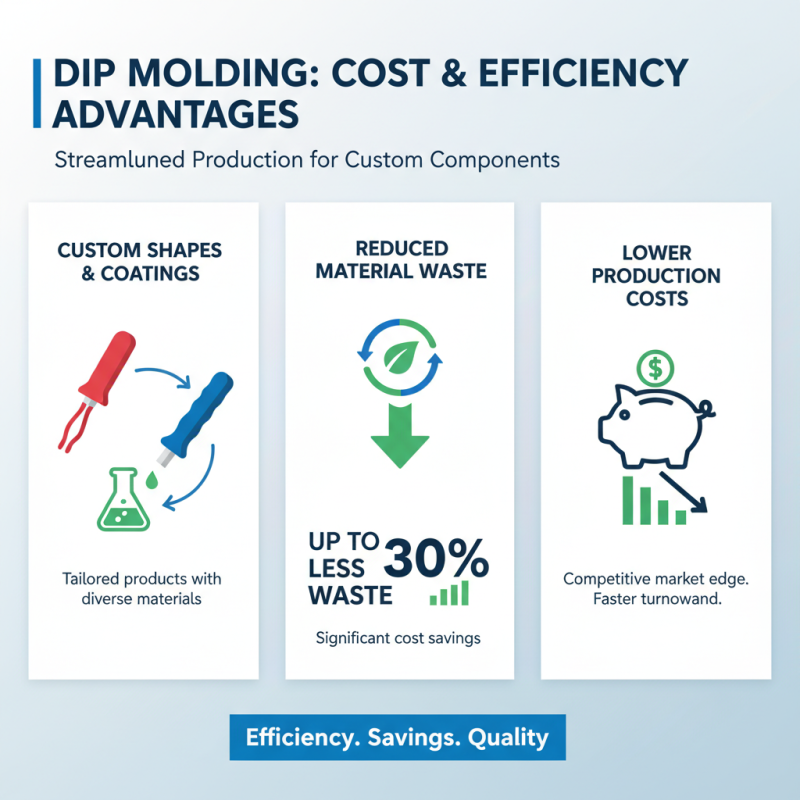
Dip molding offers unique advantages, particularly when considering cost and efficiency. This process allows manufacturers to create custom shapes and coatings efficiently. According to industry reports, dip molding can reduce material waste by up to 30%. This significant reduction translates to lower production costs in a competitive market.
Efficiency is another critical factor. Dip molding often speeds up production times compared to traditional methods. Many businesses report a 20% faster turnaround when utilizing this technique. However, the initial setup costs can be a concern. Manufacturers may find themselves questioning whether the upfront investment will yield sufficient long-term savings.
Additionally, training staff to operate dip molding machines effectively can present challenges. Error rates can be high if workers are not adequately trained. This highlights the importance of ongoing education and process improvements. Companies must assess their capabilities and resource availability prior to committing to dip molding. Ultimately, careful consideration of these factors will determine if dip molding is the right fit for their production needs.