How to Design Flexible PCBs for Your Electronic Projects?
When embarking on electronic projects, the choice of circuit boards can greatly affect functionality. Flexible Pcbs offer unique advantages. These boards can bend and twist, fitting into tight spaces where traditional rigid boards fail. They allow for innovative designs that enhance device portability and performance.
Designing flexible PCBs requires careful planning. You must consider material selection, circuit layout, and connection methods. These elements impact the board’s flexibility and reliability. It can be challenging to balance flexibility with durability. Mistakes in design could lead to failures in prototypes, causing setbacks in project timelines.
Moreover, testing your designs is crucial. A poorly designed flexible PCB may not perform as expected. Iteration and adjustments are part of the process. Documenting failures is necessary for improvement. In the world of electronics, the learning curve can be steep, but the rewards often justify the effort.
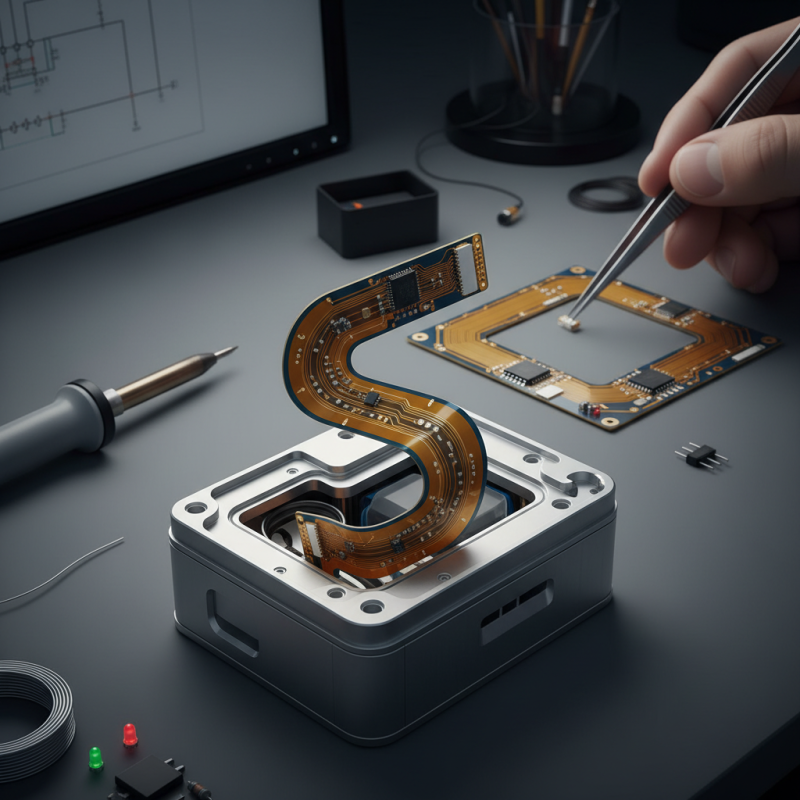
Understanding the Basics of Flexible PCB Design
Flexible PCBs, or printed circuit boards, play a crucial role in modern electronics. Their design involves unique considerations that differ from traditional rigid PCBs. Many industries are embracing flexible PCBs due to their versatility. Recent studies highlight that flexible PCBs are projected to reach a market size of $20 billion by 2026. This growth is driven by increased demand in sectors like consumer electronics and automotive.
Understanding the fundamentals of flexible PCB design starts with material selection. Polyimide is a common choice due to its heat and chemical resistance. However, the thickness of the material significantly impacts flexibility. Thinner designs can bend more easily, but they may compromise durability. Balancing these factors is essential. Additionally, pad design is vital. Larger pads may aid soldering but can increase strain during flexing. Engineers often struggle with this balance, reflecting the iterative nature of the design process.
Moreover, simulation tools can help predict performance but can be misleading. Misjudging the mechanical stresses during bending can lead to failures. A notable report indicated that up to 30% of flexible PCBs may fail during the initial testing phase due to design flaws. This emphasizes the need for thorough testing and revisions. Designers must remain aware of these pitfalls to improve reliability and functionality in their flexible PCB projects.
Materials and Components Used in Flexible PCBs
When designing flexible PCBs, the choice of materials and components is crucial for optimizing performance. Flexible PCBs are typically made from materials like polyimide or polyester due to their excellent thermal stability. According to a recent study by Electronics Weekly, the global market for flexible circuit boards is expected to grow at a CAGR of over 10% by 2026. This indicates a rising demand for innovative design and materials.
When selecting components, keep in mind the mechanical properties of the PCB. Components must be lightweight and able to withstand bending stress. The use of thick copper can enhance current carrying capacity but can lead to rigidity in some cases. Balancing the thickness of the copper trace and the overall flexibility is essential.
Tip: Always prototype with different materials to test performance. Sometimes, an unexpected choice yields the best results. Additionally, remember that not all adhesives will perform well under flexing conditions. Choose a reliable adhesive that can withstand repeated bending.
Another common challenge is the manufacturing process. Precision in layer alignment is vital. Misalignment can lead to short circuits or mechanical failures. Proper communication with your manufacturer can mitigate these risks. Testing the flexibility of your design throughout the process is recommended.
Tip: After assembly, perform rigorous flex testing. This helps identify weak points before final production. A little trial and error can lead to significant improvements.
Key Design Considerations for Flexible Circuits
When designing flexible PCBs, several critical considerations come into play. Material selection is essential. Choose substrates that can withstand bending and twisting. Common options include polyimide and polyester. These materials offer flexibility and durability but have different limitations. Think about your project's requirements before making a choice.
Another important factor is the layout. Optimize the circuit design for flexibility. Use compact routing techniques to avoid long traces. This can minimize the risk of damaging the circuit when flexed. Ensure that components are placed strategically to maintain flexibility. Some designs may need reflective review, as improper placement can lead to failure under stress.
Additionally, consider the thickness of the PCB. A thinner board may bend better but can be fragile. Striking a balance between flexibility and strength is vital. Testing multiple prototypes can help identify potential issues. Remember, the goal is to create a functional circuit that meets your project's needs while being able to withstand normal use.
Techniques for Prototyping Flexible PCB Designs
Prototyping flexible PCBs can be a challenging task. Designers often struggle with aligning their ideas to practical solutions. A recent study by IPC states that 75% of engineers find the fabrication of flex circuits more complex than rigid boards. Understanding the nuances is key.
Using CAD tools is crucial. However, many designers overlook how vital it is to have a good schematic before starting. Miscalculations can lead to errors. It's not uncommon for prototypes to fail in the first round. In fact, industry data shows that over 40% of prototypes require multiple iterations before acceptance. Keep this in mind as you design.
Material choice also plays a significant role. Polyimide is popular, but it can be expensive. Make sure to weigh cost versus performance. There’s a fine line between durability and flexibility. Thus, every decision impacts the final product's viability. Don't forget to test early and often. This step can save substantial time and resources.
How to Design Flexible PCBs for Your Electronic Projects? - Techniques for Prototyping Flexible PCB Designs
| Dimension | Description | Value |
| Material Type | The base material used for the flexible PCB | Polyimide |
| Max Bending Radius | The minimum radius the PCB can bend without damage | 5 mm |
| Layer Count | Number of conductive layers in the PCB | 2 Layers |
| Thickness | Thickness of the flexible PCB | 0.2 mm |
| Copper Weight | Amount of copper used in the PCB | 1 oz/ft² |
| Operating Temperature Range | Temperature range for safe operation | -40°C to 125°C |
| Tensile Strength | The forced resistance of the PCB material | 100 MPa |
Tips for Manufacturing and Assembly of Flexible PCBs
Flexible PCBs are increasingly popular in modern electronics due to their versatility. Manufacturing these circuits requires attention to detail. Proper material selection is crucial. For instance, polyimide and polyester are common substrates. According to a report by Research and Markets, the flexible PCB market is projected to grow by 11.1% annually. This growth indicates a rising demand for efficient production techniques.
Assembly processes for flexible PCBs also pose unique challenges. The handling of these delicate circuits can lead to issues. Improper bending can cause micro-fractures. Attention is needed during assembly to avoid this. Methods like automated pick-and-place could enhance accuracy. However, not all factories employ this technology, leading to potential production inconsistencies.
A study by IPC shows that around 20% of flexible PCBs experience reliability issues. This statistic emphasizes the importance of rigorous testing. Implementing stress tests can help identify weak points early on. Critical factors like thickness and bend radius significantly affect lifespan. It can be beneficial to take a step back and reassess design choices.