China Top Rotational Molding Techniques and Their Impact on Manufacturing?
Rotational molding is a powerful process in modern manufacturing. It allows for the creation of complex shapes with minimal waste. In China, advancements in this technique are driving innovation and efficiency. Manufacturers leverage rotational molding for a variety of applications, from toys to industrial components.
The impact of these techniques is significant. With a growing focus on sustainability, rotational molding helps reduce material waste. Companies can produce lighter and more durable products. Yet, challenges remain. Some manufacturers struggle with quality control and production speed. These issues highlight the need for continuous improvement and adaptation.
As the industry progresses, embracing new technologies will be crucial. Automation and advanced materials can enhance the rotational molding process. However, it’s vital for manufacturers to stay informed and agile. Organizations must reflect on their practices and strive for better solutions in this evolving landscape.
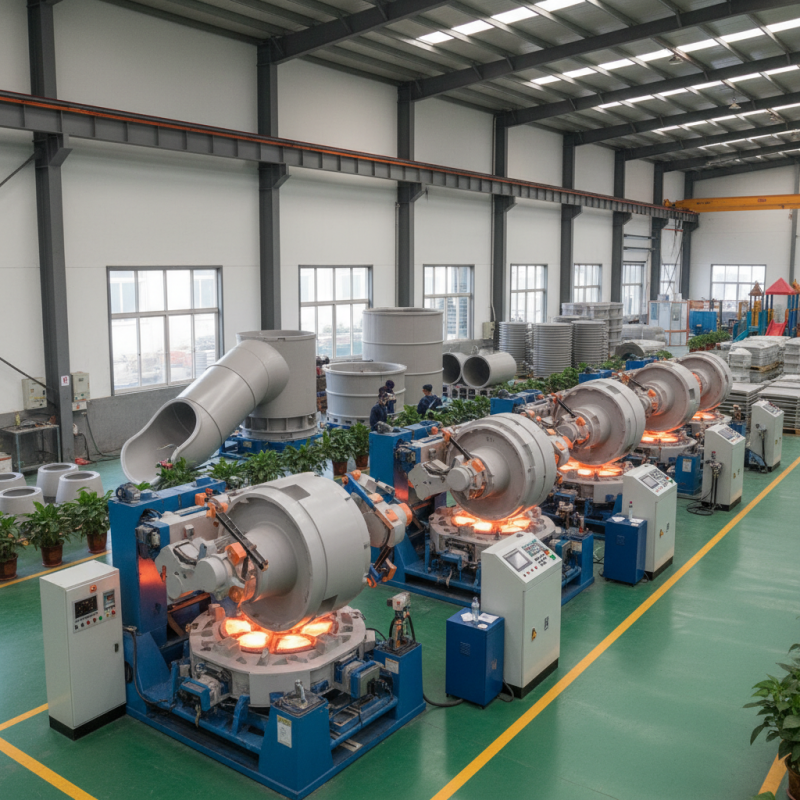
China's Dominance in Rotational Molding Techniques: An Overview
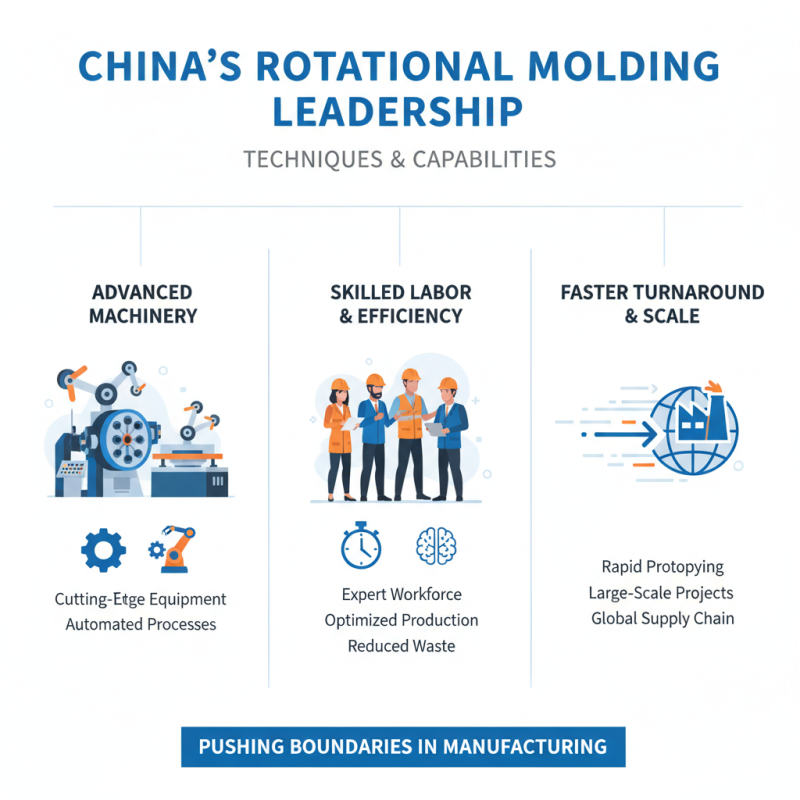
China has become a leader in rotational molding techniques, showcasing its extensive capabilities in this manufacturing niche. The country boasts advanced machinery and skilled labor. With a focus on efficiency, manufacturers utilize cutting-edge technology, pushing the boundaries of production timelines. This improvement often results in faster turnaround times for large-scale projects.
One area of reflection lies in the sustainability of these practices. While techniques evolve, they can sometimes neglect eco-friendly protocols. The challenge remains to balance speed and environmental responsibility. Adopting greener options will be essential for the longevity of the industry. Moreover, the reliance on imported materials may create vulnerabilities in this otherwise robust sector.
Overall, China's dominance in rotational molding influences global markets significantly. As techniques advance, so do the expectations for quality and precision. The opportunity to lead in sustainable practices is equally compelling. Focusing on these aspects could reshape the industry's future and set new standards for excellence.
Key Rotational Molding Techniques and Their Applications in Manufacturing
Rotational molding is a growing technique in manufacturing, known for producing hollow plastic parts. This method involves heating plastic powder in a mold, which rotates on two axes. The result is a uniform layer of material that forms the shape of the mold. Key techniques in rotational molding include the use of temperature control, mold design, and material selection. Each of these plays a critical role in achieving desired qualities in the final product.
In various industries, rotational molding has numerous applications. It is often used for making storage tanks, playground equipment, and automotive components. This versatility is one of its greatest strengths. However, challenges do exist. One must consider the energy consumption associated with this process. Additionally, achieving thin walls while maintaining strength requires careful balancing. Quality control during the production process remains a point of reflection for manufacturers. Finding the right materials and ensuring consistent heating can be tricky, leading to variability in product reliability.
Impact of Advanced Rotational Molding Technologies on Production Efficiency
Advanced rotational molding technologies have transformed the manufacturing landscape in China. These innovations enhance production efficiency while reducing material waste. Manufacturers now can create complex shapes with precision. This process minimizes the number of defects in finished products, which saves time and resources.
New machines utilize automated processes to streamline production. This leads to shorter lead times, allowing manufacturers to meet growing market demands. However, implementing these machines requires skilled personnel. Training can be time-consuming and costly, presenting a potential challenge for small businesses.
Despite these obstacles, the benefits are evident. Energy-efficient technologies reduce overall consumption. This not only lowers costs but also promotes sustainability. As the industry evolves, ongoing evaluation of these techniques is vital. Companies must adapt to remain competitive in a rapidly changing market.
Future Trends in Rotational Molding: Innovations and Market Growth Projections
The rotational molding industry is witnessing significant advancements driven by technology and sustainability. Innovative materials are emerging, enhancing product durability and performance. Manufacturers are experimenting with eco-friendly resins, which not only reduce environmental impact but also attract eco-conscious consumers. This shift caters to a growing demand for sustainable practices within the industry.
Moreover, automation in rotational molding is transforming manufacturing efficiency. Technologies such as computer numerical control (CNC) are being integrated into production lines. This integration reduces human error and speeds up the production process. However, it also raises concerns about job displacement within traditional manufacturing roles. Balancing innovation with workforce implications remains critical for industry leaders.
Market growth projections indicate a robust future for rotational molding, driven by diverse applications in sectors like automotive and healthcare. Yet, industry players must remain vigilant. They need to adapt to evolving consumer preferences and regulatory requirements. The challenge lies in embracing innovation while maintaining reliability and quality in products.
Trends in Rotational Molding Techniques in China